
Golden Flavonoid
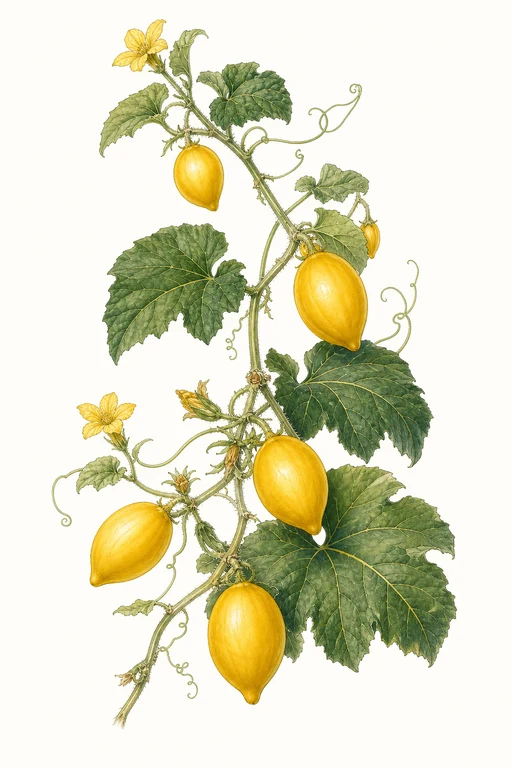
Sunlit, golden flare—Golden Flavonoid delivers a vivid, honey-warm flavor with a tender, juicy bite and a pleasantly crisp finish.
At maturity, the fruit’s luminous color and smooth, refined texture make it a standout for fresh enjoyment and for bright, golden-hued sauces and preserves that showcase its mellow sweetness. Grow it for a garden-to-table harvest that feels as radiant as it tastes.
Light: Full SunMaturity: 75 DaysHabit: Upright
Planting schedules and alerts are optimized for Columbus (Zone 6b).
Crop Dates
| Milestone | Date |
|---|---|
| Start Indoors | Direct Sow |
| Last Frost | Apr 25th |
| Transplant / Sow Outdoors | Apr 25th |
| Harvest Begins | Jul 9th |
| Harvest Ends | Oct 16th |
Crop Details
| Trait | Value |
|---|---|
| Days to Maturity | 75 |
| Sun Requirements | Full Sun |
| Growth Habit | Upright |
| Support Needed | None |
| Planting Depth | Normal |
| Germination Temp (°F) | 55 |
| Min Soil Temp (°F) | 55 |
| Min Night Temp (°F) | 40 |
| Harden Off (days) | Not Required |
Culinary Notes

Chef's Note
This variety leans sweet and sunlit rather than sharp, with fruit that stays juicy but doesn’t collapse—perfect for sauces that need a mellow, honeyed tone. Use lime to sharpen the finish and keep the sweetness from going flat, especially in preserves and glazes.

Best Uses
- served chilled as a bright snack fruit
- stirred into a golden-hued quick jam or preserve
- swirled into a glaze for roast chicken or pork
- folded into a fruit salad where it can stay glossy and intact

Flavor Profile

Kitchen Pairings
Frequently Asked Questions
What pest or disease is most likely on Fagopyrum tataricum (golden flavonoid buckwheat), and what should I do?
How often should I water Fagopyrum tataricum during its main growing phase?
How do I tell when Fagopyrum tataricum is ready to harvest?
Sowing Tips

Transplant Conditions
Wait until soil reaches 55°F and nights stay above 40°F before moving outdoors.
Expert Note

Sow tartary buckwheat after the danger of frost and keep seed-to-soil contact consistent for even emergence, then let it flower to support pollinators.