
Golden Giant
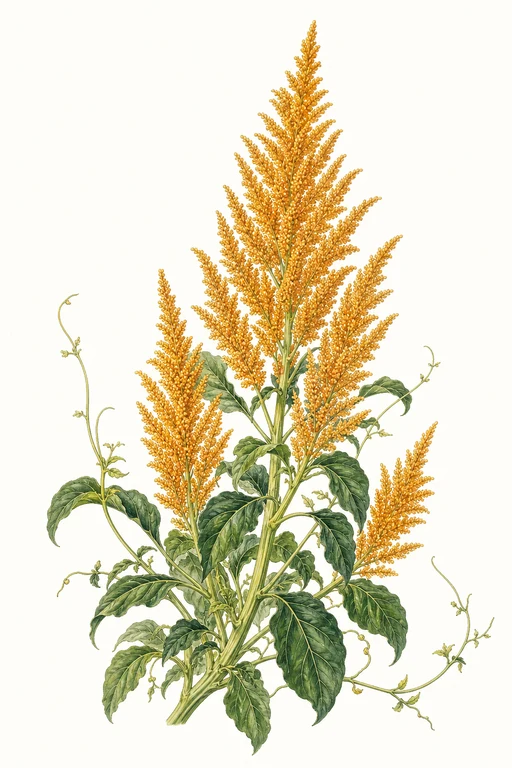
Sunlit and bold, Golden Giant amaranth pours forth warm golden plumes that shimmer above the garden like living fireworks.
The seed is rich and nutty with a pleasantly earthy sweetness, and the grain’s fine, resilient texture lends itself beautifully to hearty staples and wholesome blends. Grow this standout for a dependable 90-day harvest window and a striking, ornamental-to-edible presence all season long.
Light: Full SunMaturity: 90 DaysHabit: Upright
Planting schedules and alerts are optimized for Columbus (Zone 6b).
Crop Dates
| Milestone | Date |
|---|---|
| Start Indoors | Direct Sow |
| Last Frost | Apr 25th |
| Transplant / Sow Outdoors | Apr 25th |
| Harvest Begins | Jul 24th |
| Harvest Ends | Oct 16th |
Crop Details
| Trait | Value |
|---|---|
| Days to Maturity | 90 |
| Sun Requirements | Full Sun |
| Growth Habit | Upright |
| Support Needed | None |
| Planting Depth | Normal |
| Germination Temp (°F) | 70 |
| Min Soil Temp (°F) | 60 |
| Min Night Temp (°F) | 50 |
| Harden Off (days) | Not Required |
Culinary Notes

Chef's Note
Golden Giant amaranth cooks up with a resilient, toothsome bite and a nutty, earthy sweetness that tastes toasted even after simmering. I like it when you want that grainy crunch to survive a hot broth or a bright citrus vinaigrette without going soft.

Best Uses
- cooked amaranth porridge or breakfast bowl where it thickens without turning gummy
- grain base for hearty salads—holds vinaigrette and stays pleasantly firm
- nutty, gluten-free swap for rice or couscous in hot sides
- toasted-amaranth toppings for soups and stews for a crunchy cap

Flavor Profile

Kitchen Pairings
Frequently Asked Questions
What pest or disease most commonly affects Amaranthus cruentus (Golden Giant), and how can I prevent it?
How often should I water Golden Giant during its main growing phase to keep soil moisture right?
How do I know when Golden Giant (Amaranthus cruentus) is ready to harvest at ~90 days?
Sowing Tips

Transplant Conditions
Wait until soil reaches 60°F and nights stay above 50°F before moving outdoors.
Expert Note

Direct-sow after soil warms and keep seedlings evenly moist early; avoid transplanting as amaranth establishes poorly when roots are disturbed.