
Golden Tomatillo
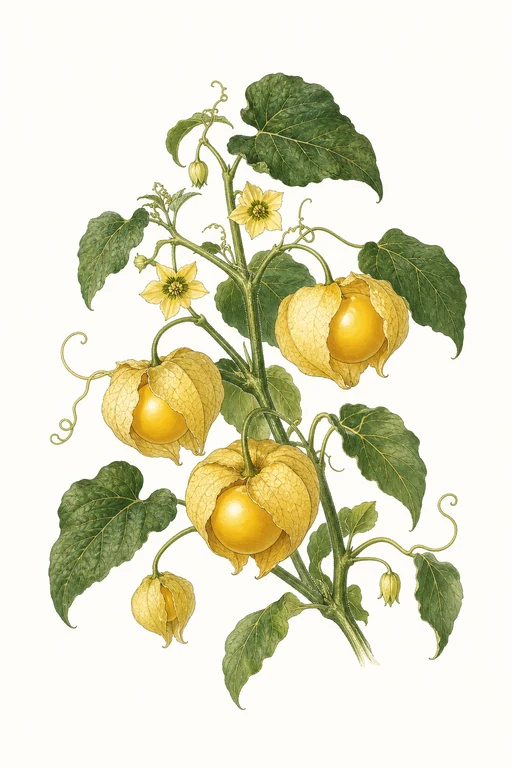
Sunlit and irresistible, Golden Tomatillo ripens to a warm golden-amber glow inside its papery husks, offering a bright, tangy bite with a subtly sweet edge.
The fruit’s firm, juicy flesh delivers a crisp snap and clean, zesty flavor that shines in fresh salsas, roasted sauces, and lively pickles. Grow it for a long season of golden harvests—each husk like a lantern—until the plants reach their 75-day peak.
Light: Full SunMaturity: 75 DaysHabit: Indeterminate
Planting schedules and alerts are optimized for Columbus (Zone 6b).
Crop Dates
| Milestone | Date |
|---|---|
| Start Indoors | Mar 7th |
| Last Frost | Apr 25th |
| Transplant / Sow Outdoors | Jun 20th |
| Harvest Begins | Sep 3rd |
| Harvest Ends | Oct 16th |
Crop Details
| Trait | Value |
|---|---|
| Days to Maturity | 75 |
| Sun Requirements | Full Sun |
| Growth Habit | Indeterminate |
| Support Needed | Stake |
| Planting Depth | Normal |
| Germination Temp (°F) | 75 |
| Min Soil Temp (°F) | 60 |
| Min Night Temp (°F) | 50 |
| Harden Off (days) | 7 |
Culinary Notes

Chef's Note
Golden Tomatillo tastes like citrus wearing a green-tang jacket—bright enough to cut through fat, but sweet enough to keep roasted sauces from going sharp. It holds a crisp, juicy bite in fresh salsa and turns silky only after you roast and reduce it.

Best Uses
- fresh salsa where the fruit’s snap stays intact (diced fine, quick mix)
- roasted-and-blended sauces that go golden and glossy after reducing
- quick-pickled rounds for a crunchy, bracing garnish
- thickened salsa verde-style topping for grilled meats

Flavor Profile

Frequently Asked Questions
What pests or diseases commonly hit Physalis philadelphica (golden tomatillo), and how do I control them?
How often should I water golden tomatillo during the main growing phase (about weeks 3–8 after transplanting)?
How can I tell when Physalis philadelphica is ready to harvest?
Sowing Tips

Transplant Conditions
Wait until soil reaches 60°F and nights stay above 50°F before moving outdoors. Harden off for 7 days first.
Expert Note

Start indoors early and transplant only once nights are reliably warm (tomatillos dislike cool soil), then keep foliage evenly moist to prevent uneven fruit set.