
Goldie
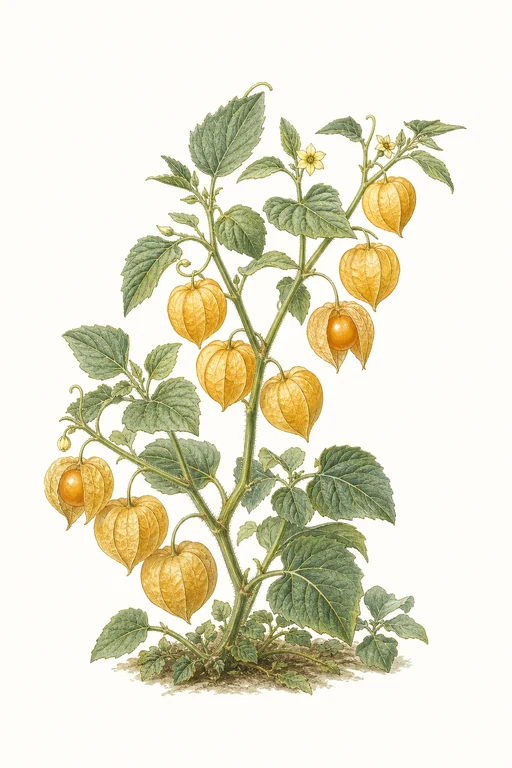
Sunlit and impossibly charming, Goldie Cape Gooseberry ripens into warm golden lanterns that glow beneath papery husks—fragrant, tangy-sweet, and bright with a gentle berry lift.
The fruit’s texture is juicy and lightly custardy, with a delicate snap at the skin that makes each burst feel fresh and vivid. Grow Goldie for standout fresh-fruit enjoyment and for showy preserves and sauces that capture its sunny, aromatic character.
Light: Full SunMaturity: 75 DaysHabit: Indeterminate
Planting schedules and alerts are optimized for Columbus (Zone 6b).
Crop Dates
| Milestone | Date |
|---|---|
| Start Indoors | Mar 14th |
| Last Frost | Apr 25th |
| Transplant / Sow Outdoors | Jun 20th |
| Harvest Begins | Sep 3rd |
| Harvest Ends | Oct 16th |
Crop Details
| Trait | Value |
|---|---|
| Days to Maturity | 75 |
| Sun Requirements | Full Sun |
| Growth Habit | Indeterminate |
| Support Needed | Stake |
| Planting Depth | Normal |
| Germination Temp (°F) | 75 |
| Min Soil Temp (°F) | 60 |
| Min Night Temp (°F) | 50 |
| Harden Off (days) | 10 |
Culinary Notes

Chef's Note
Goldie Cape Gooseberry is built for freshness—its juicy, lightly custardy flesh and bright tang don’t collapse, so it stays vivid in a quick jam or compote. The aromatic berry-citrus profile loves clean sweetness (honey/vanilla) and heat-kissed partners (ginger, rum) rather than heavy oniony or leafy flavors.

Best Uses
- eat fresh like a sweet-tart snack, husk-on for that light crunch
- stovetop jam/preserve that sets glossy and aromatic
- stir into yogurt or panna cotta for a tangy, spoonable contrast
- quick-cook compote for pork or lamb glaze

Flavor Profile

Kitchen Pairings
Frequently Asked Questions
What pest or disease most commonly affects Physalis philadelphica (Goldie), and how do I control it?
How often should I water Goldie during the main growing phase, and what soil moisture level should I aim for?
How can I tell when Physalis philadelphica (Goldie) is ready to harvest?
Sowing Tips

Transplant Conditions
Wait until soil reaches 60°F and nights stay above 50°F before moving outdoors. Harden off for 10 days first.
Expert Note

Start seeds indoors early for a long season, then transplant only after warm weather for best early growth and fruit set.