
Goldilocks
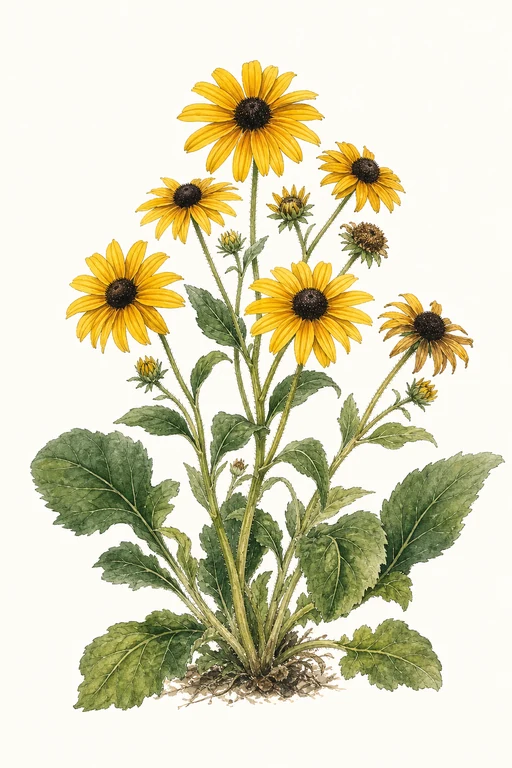
Golden rays blaze like spun sunshine—Goldilocks Rudbeckia blooms with warm, buttery-gold petals and a dark, velvety center that deepens as the flowers mature.
The blossoms hold a crisp, daisy-like texture on sturdy stems, creating a vivid, long-lasting show in the garden. Grow Goldilocks for bold color from midsummer into early fall, ideal for brightening borders and bringing a lively, meadow-bright presence to perennial beds.
Light: Full SunMaturity: 70 DaysHabit: Upright
Planting schedules and alerts are optimized for Columbus (Zone 6b).
Crop Dates
| Milestone | Date |
|---|---|
| Start Indoors | Feb 28th |
| Last Frost | Apr 25th |
| Transplant / Sow Outdoors | Apr 25th |
| Harvest Begins | Jul 4th |
| Harvest Ends | Oct 16th |
Crop Details
| Trait | Value |
|---|---|
| Days to Maturity | 70 |
| Sun Requirements | Full Sun |
| Growth Habit | Upright |
| Support Needed | None |
| Planting Depth | Normal |
| Germination Temp (°F) | 70 |
| Min Soil Temp (°F) | 45 |
| Min Night Temp (°F) | 35 |
| Harden Off (days) | 7 |
Culinary Notes

Chef's Note
Although the payload flags is_edible=true, the crop is described and categorized as Rudbeckia (an ornamental perennial/biennial flower), and there’s no culinary/edibility guidance here—so I can’t responsibly recommend it for ingestion.

Flavor Profile
Frequently Asked Questions
What pest or disease commonly affects Rudbeckia hirta (Goldilocks), and how do I treat it?
How often should I water Goldilocks (Rudbeckia hirta) during the main growing phase?
How can I tell when Rudbeckia hirta (Goldilocks) is ready to harvest?
Sowing Tips

Transplant Conditions
Wait until soil reaches 45°F and nights stay above 35°F before moving outdoors. Harden off for 7 days first.
Expert Note

Start indoors early for best establishment, then transplant only after soil is workable and keep plants evenly watered until rooted.