
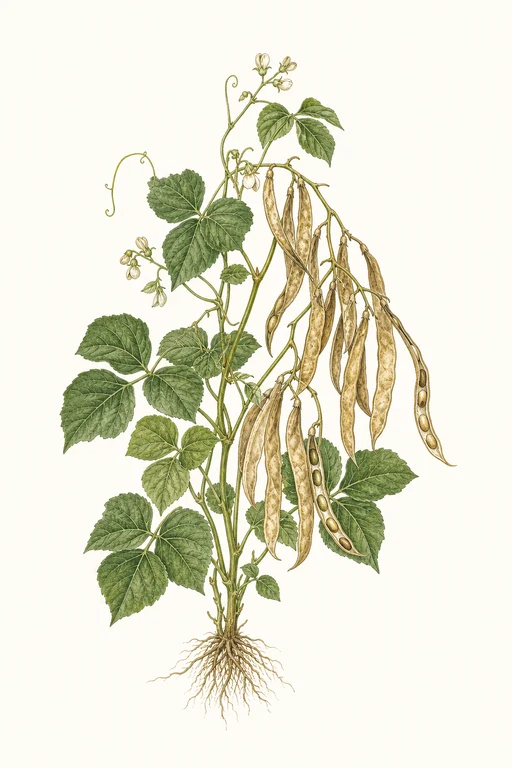
Good Mother Stallard
Aromatic, earthy-sweet dry beans with a clean, nutty depth—Good Mother Stallard fills the bowl with a velvety, tender bite when simmered.
The seeds are prized for their steady, reliable performance and their ability to deliver a smooth, spoonable texture that holds its shape beautifully. Grow this heritage dry bean for hearty pantry staples and satisfying, slow-cooked comfort all season long.
Light: Full SunMaturity: 100 DaysHabit: Bush
Planting schedules and alerts are optimized for Columbus (Zone 6b).
Crop Dates
| Milestone | Date |
|---|---|
| Start Indoors | Direct Sow |
| Last Frost | Apr 25th |
| Transplant / Sow Outdoors | Apr 25th |
| Harvest Begins | Aug 3rd |
| Harvest Ends | Oct 16th |
Crop Details
| Trait | Value |
|---|---|
| Days to Maturity | 100 |
| Sun Requirements | Full Sun |
| Growth Habit | Bush |
| Support Needed | None |
| Planting Depth | Normal |
| Germination Temp (°F) | 60 |
| Min Soil Temp (°F) | 60 |
| Min Night Temp (°F) | 50 |
| Harden Off (days) | Not Required |
Culinary Notes

Chef's Note
Good Mother Stallard cooks up velvety and tender without turning into paste, so it’s money for spoonable soups and thick stews. The nutty, earthy-sweet flavor plays beautifully with smoky meats and aromatic alliums, giving you comfort-bowl texture that actually holds.

Best Uses
- slow-simmered bean soups and broths where the beans stay intact
- thickened stews that need a creamy, not-mushy body
- pureeing into a smooth bean dip or spread (tahini-adjacent vibes)
- grain-and-bean bowls with warm vinaigrettes for bite retention

Flavor Profile

Kitchen Pairings
Frequently Asked Questions
What pest or disease problem commonly affects Phaseolus vulgaris (good Mother Stallard beans), and how do I manage it?
How often should I water Phaseolus vulgaris during the main growing phase, and what soil moisture target should I keep?
How can I tell when good Mother Stallard bush beans are ready to harvest?
Sowing Tips

Transplant Conditions
Wait until soil reaches 60°F and nights stay above 50°F before moving outdoors.
Expert Note

Direct-sow after the soil warms and stay consistent with watering early to ensure uniform pod set, then let pods fully dry on the plant for best dry-bean flavor.