
Gravenstein
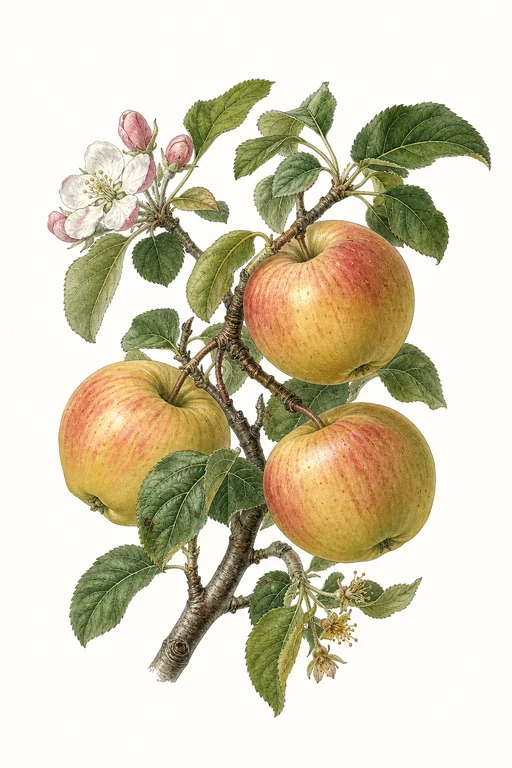
Crisp, juicy, and unmistakably fragrant, Gravenstein apples burst with a bright, honeyed snap and a pleasantly tart edge that lingers on the palate.
The fruit’s tender flesh turns wonderfully aromatic at peak ripeness, making it a favorite for fresh enjoyment and for preserving into fragrant sauces and pies. Grow Gravenstein for a classic, early-summer-to-fall harvest that feels like a true orchard treasure in the home garden.
Light: Full SunMaturity: 180 DaysHabit: Shrub
Planting schedules and alerts are optimized for Columbus (Zone 6b).
Crop Dates
| Milestone | Date |
|---|---|
| Last Frost | Apr 25th |
| Growing Approach | Protected Environment Only |
Crop Details
| Trait | Value |
|---|---|
| Days to Maturity | 180 |
| Sun Requirements | Full Sun |
| Growth Habit | Shrub |
| Support Needed | None |
| Planting Depth | Normal |
| Germination Temp (°F) | 65 |
| Min Soil Temp (°F) | 40 |
| Min Night Temp (°F) | 28 |
| Harden Off (days) | Not Required |
Culinary Notes

Chef's Note
Gravenstein’s crisp, high-juice texture and tangy, honeyed perfume make it a standout for eating straight—no waxy mush, just a fragrant crunch. When you cook it, it turns aromatic quickly into a silky filling that clings to crust and spoons, balancing sweetness without flattening into caramel.

Best Uses
- fresh eating and sliced salting for a snap that stays crisp
- cook-down pie filling where the sugars bloom and the fruit fragrance stands up
- thick applesauce with a clean tart finish (no need for heavy sweeteners)
- slow-baked apple slices that perfume the pan for sides or breakfast compotes

Flavor Profile

Frequently Asked Questions
What pest or disease most commonly affects Malus domestica (Gravenstein apple) and how can I manage it at home?
How often should I water Gravenstein apples during the main growing phase to keep fruit healthy?
How do I tell when Gravenstein (Malus domestica) is ready to harvest?
Sowing Tips

Transplant Conditions
Wait until soil reaches 40°F and nights stay above 28°F before moving outdoors.
Expert Note

For best results, plant Gravenstein with a compatible pollinator variety and ensure full sun plus well-drained soil to support consistent fruiting.