
Green Passers
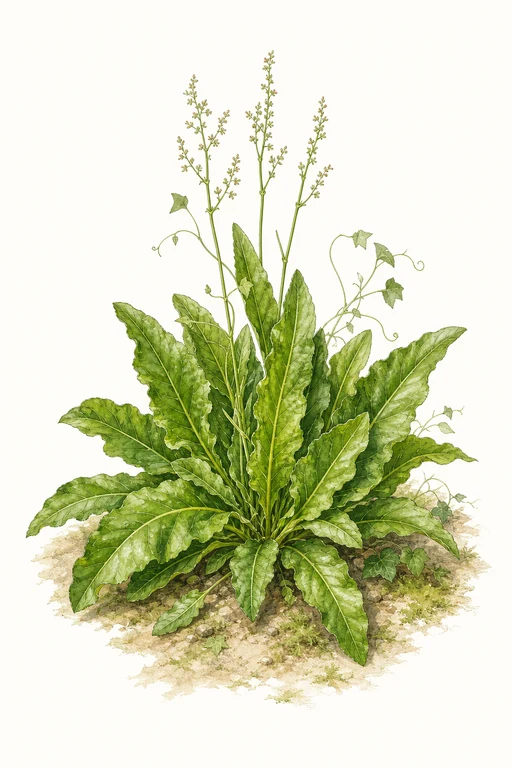
A bright, tangy green that practically glows in the garden—Green Passers sorrel brings a lively, lemony bite with a tender, succulent leaf texture.
Harvest young for the most delicate, spoonable greens, or let plants mature for a fuller, more assertive flavor that holds beautifully in bold sauces and quick pickles. An early favorite for gardeners who want a fast, flavorful crop that looks as fresh as it tastes.
Light: Part SunMaturity: 30 DaysHabit: Rosette
Planting schedules and alerts are optimized for Columbus (Zone 6b).
Crop Dates
| Milestone | Date |
|---|---|
| Start Indoors | Mar 28th |
| Last Frost | Apr 25th |
| Transplant / Sow Outdoors | Apr 25th |
| Harvest Begins | May 25th |
| Harvest Ends | Oct 16th |
Crop Details
| Trait | Value |
|---|---|
| Days to Maturity | 30 |
| Sun Requirements | Part Sun |
| Growth Habit | Rosette |
| Support Needed | None |
| Planting Depth | Normal |
| Germination Temp (°F) | 65 |
| Min Soil Temp (°F) | 40 |
| Min Night Temp (°F) | 35 |
| Harden Off (days) | 5 |
Culinary Notes

Chef's Note
Green Passers sorrel is built for high-contrast eating: its lemony acidity stays snappy and doesn’t turn dull if you cook it fast—think wilted, not stewed. Its young tenderness makes it spoonable in egg dishes, while the matured leaves hold up in bold, reduced sauces and quick pickles.

Best Uses
- quick wilt into brown-butter style pan sauce
- stir into warm eggs and custardy omelets (adds tang without heaviness)
- short-steep to make a spoonable sorrel cream/sour sauce
- toss into potato salad or grains, using the acidity to cut richness
- quick pickles or vinegar brines for a fast, bracing side

Flavor Profile

Kitchen Pairings
Frequently Asked Questions
What pest or disease commonly affects Rumex acetosa (green passers), and what should I do?
How often should I water Rumex acetosa during the main growing phase?
How can I tell when my Rumex acetosa is ready to harvest?
Sowing Tips

Transplant Conditions
Wait until soil reaches 40°F and nights stay above 35°F before moving outdoors. Harden off for 5 days first.
Expert Note

For uniform microgreens, sow densely in a shallow tray and keep evenly moist until harvest—no transplanting needed.