
Green Zebra
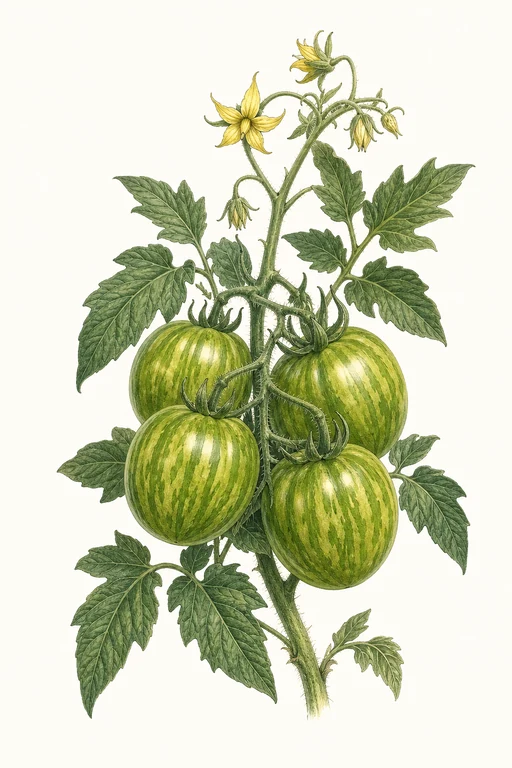
Tart-sweet and vividly aromatic, Green Zebra delivers a bright, tangy bite wrapped in a tender, juicy flesh.
At maturity, its oval fruit wears bold lime-green stripes over a creamy green base, with a silky, sliceable texture that shines in fresh salads and vibrant salsas. Grow for standout color and flavor—these 80-day plants reward careful attention with a steady harvest of striking slicing tomatoes.
Light: Full SunMaturity: 80 DaysHabit: Indeterminate
Location not set yet
Location not set yet
Enter your ZIP for local crop dates
Green Zebra Planting Dates by USDA Zone
Estimated US hardiness-zone windows for sow, transplant, and harvest. Enter a US ZIP above for exact local dates, or open a zone below.
| Zone | Start Indoors | Sow / Transplant | Harvest |
|---|---|---|---|
| Zone 1a | Protected Environment Only | ||
| Zone 1b | Protected Environment Only | ||
| Zone 2a | Apr 6th | Jul 20th | Oct 8th – Aug 29th |
| Zone 2b | Mar 27th | Jul 10th | Sep 28th – Aug 25th |
| Zone 3a | Mar 27th | Jul 10th | Sep 28th – Sep 1st |
| Zone 3b | Mar 31st | Jul 14th | Oct 2nd – Sep 21st |
| Zone 4a | Mar 27th | Jul 10th | Sep 28th – Sep 24th |
| Zone 4b | Mar 25th | Jul 8th | Sep 26th – Sep 27th |
| Zone 5a | Mar 20th | Jul 3rd | Sep 21st – Sep 30th |
| Zone 5b | Mar 16th | Jun 29th | Sep 17th – Oct 5th |
| Zone 6a | Mar 13th | Jun 26th | Sep 14th – Oct 10th |
| Zone 6b | Mar 7th | Jun 20th | Sep 8th – Oct 16th |
| Zone 7a | Mar 2nd | Jun 15th | Sep 3rd – Oct 20th |
| Zone 7b | Feb 20th | Jun 5th | Aug 24th – Oct 28th |
| Zone 8a | Feb 11th | May 27th | Aug 15th – Nov 5th |
| Zone 8b | Feb 2nd | May 18th | Aug 6th – Nov 12th |
| Zone 9a | Jan 16th | May 1st | Jul 20th – Nov 26th |
| Zone 9b | Dec 22nd | Apr 6th | Jun 25th – Dec 9th |
| Zone 10a | Continuous Production | ||
| Zone 10b | Continuous Production | ||
| Zone 11a | Continuous Production | ||
| Zone 11b | Continuous Production | ||
| Zone 12a | Continuous Production | ||
| Zone 12b | Continuous Production | ||
| Zone 13a | Continuous Production | ||
| Zone 13b | Continuous Production | ||
Crop Details
| Trait | Value |
|---|---|
| Days to Maturity | 80 |
| Sun Requirements | Full Sun |
| Growth Habit | Indeterminate |
| Support Needed | Stake |
| Planting Depth | Deep |
| Germination Temp (°F) | 75 |
| Min Soil Temp (°F) | 60 |
| Min Night Temp (°F) | 50 |
| Harden Off (days) | 10 |
Culinary Notes

Chef's Note
Green Zebra’s balance of tart edge and aromatic snap makes it a slicing tomato that tastes alive even with minimal seasoning—no dull, mealy payoff. Its tender, juicy interior plays especially well with high-acid, herb-forward partners (just skip the ones you don’t want) because it keeps its texture while turning the dressing and salsa bright.

Best Uses
- thick slices on flaky salt with a quick drizzle of olive oil and flaky chili
- bright salsa that can stand up to crunchy onions and holds its shape in the bowl
- tangy green-tomato salad under vinaigrette (the juicy interior keeps the dressing lively)
- pan-tooled warm sauté with garlic and olive oil—finish with a squeeze of citrus to sharpen the bite

Flavor Profile

Kitchen Pairings
Frequently Asked Questions
What pest or disease most often affects Physalis philadelphica (Green Zebra tomatillo), and how do I control it?
How often should I water Green Zebra tomatillo during peak growth?
How can I tell when Physalis philadelphica fruits are ready to harvest?
Sowing Tips

Transplant Conditions
Wait until soil reaches 60°F and nights stay above 50°F before moving outdoors. Harden off for 10 days first.
Expert Note

Start seeds indoors early and transplant only when nighttime temps are reliably warm (not just past frost) to prevent chilling stress.