
Hannah's Choice
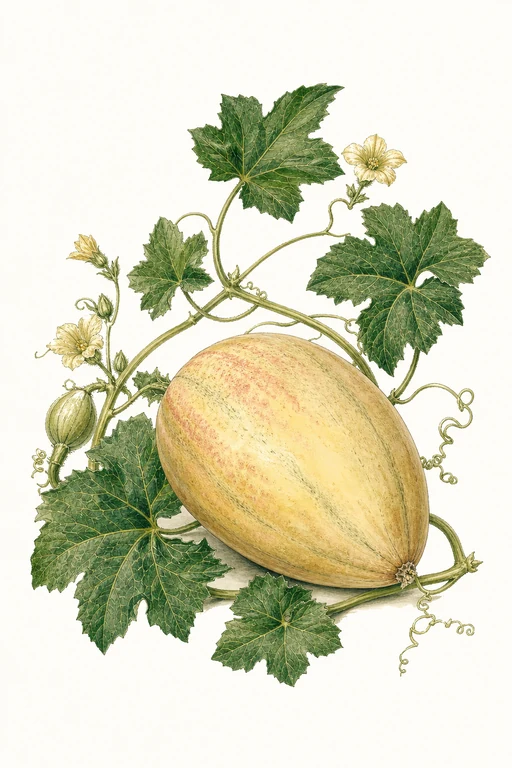
Sink your senses into Hannah's Choice Crenshaw Melon’s fragrant, honeyed aroma and its luxuriously smooth, salmon-tinged flesh.
At maturity, the fruit develops a tender, velvety texture with a sweet, mellow flavor that shines in fresh slices and becomes especially alluring when blended into silky smoothies or spooned into elegant fruit preparations. A gardener’s delight from first bloom to harvest—grow this standout for a showy, garden-ripe melon that feels as beautiful as it tastes.
Light: Full SunMaturity: 85 DaysHabit: Vine
Planting schedules and alerts are optimized for Columbus (Zone 6b).
Crop Dates
| Milestone | Date |
|---|---|
| Start Indoors | Apr 11th |
| Last Frost | Apr 25th |
| Transplant / Sow Outdoors | Apr 25th |
| Harvest Begins | Jul 19th |
| Harvest Ends | Oct 16th |
Crop Details
| Trait | Value |
|---|---|
| Days to Maturity | 85 |
| Sun Requirements | Full Sun |
| Growth Habit | Vine |
| Support Needed | Trellis |
| Planting Depth | Normal |
| Germination Temp (°F) | 75 |
| Min Soil Temp (°F) | 65 |
| Min Night Temp (°F) | 55 |
| Harden Off (days) | 12 |
Culinary Notes

Chef's Note
Hannah’s Choice Crenshaw leans sweet and perfumed, with smooth, almost custardy mouthfeel—so you want treatments that stay cool and let the aroma lead. It slices cleanly for snacking, but it’s even better blitzed into a thick, spoonable drink or dessert where the velvety flesh turns into silk.

Best Uses
- chilled raw slices with flaky salt and a squeeze of citrus to keep it crisp
- silky smoothies where it behaves like a creamy base
- spoon-style fruit cups or honeyed sorbets for a clean, fragrant finish
- light melon panna cotta or custard swizzles for a soft, perfumed dessert

Flavor Profile

Kitchen Pairings
Frequently Asked Questions
What pest or disease is most common on Cucumis melo (melon) and how can I treat it?
How often should I water Cucumis melo during the main growing phase, and what soil moisture level should I maintain?
How do I know when my Cucumis melo (‘Hannah’s Choice’) is ready to harvest?
Sowing Tips

Transplant Conditions
Wait until soil reaches 65°F and nights stay above 55°F before moving outdoors. Harden off for 12 days first.

Direct Sow Preferred
Sensitive roots — does not transplant well. If starting indoors, use biodegradable pots and disturb roots as little as possible when moving outdoors.
Expert Note

Harden seedlings well and transplant only when nights are consistently warm and the soil is well-heated to avoid slow, vine-stunting recovery.