
Hawaiian Rainbow
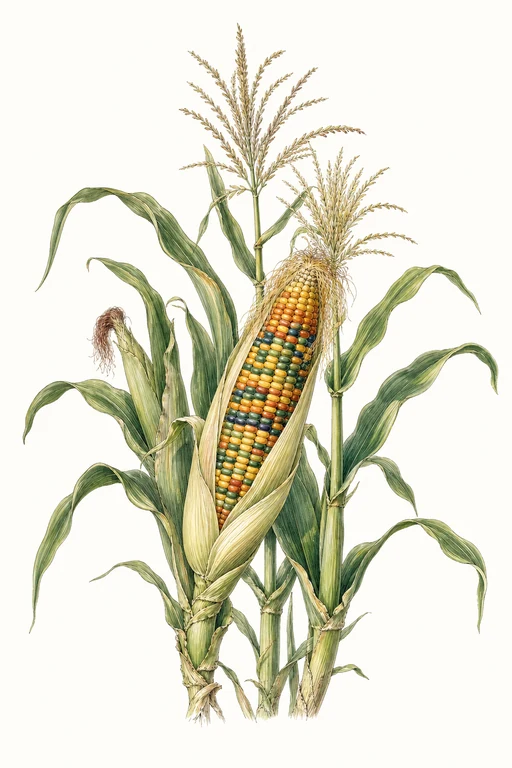
Feel the first silk-bright glow as the ears emerge—Hawaiian Rainbow corn develops striking, multicolored kernels that shimmer like stained glass in the garden.
The kernels are firm and pleasantly crisp, with a vivid spectrum that makes each ear a living centerpiece. Grow it for ornamental impact in beds and borders, and for show-stopping displays of color that shine at harvest and beyond.
Light: Full SunMaturity: 75 DaysHabit: Upright
Crop Dates : 5b
| Milestone | Date |
|---|---|
| Start Indoors | Direct Sow |
| Last Frost | May 4th |
| Transplant / Sow Outdoors | May 4th |
| Harvest Begins | Jul 18th |
| Harvest Ends | Oct 5th |
Crop Details
| Trait | Value |
|---|---|
| Days to Maturity | 75 |
| Sun Requirements | Full Sun |
| Growth Habit | Upright |
| Support Needed | None |
| Planting Depth | Normal |
| Germination Temp (°F) | 55 |
| Min Soil Temp (°F) | 55 |
| Min Night Temp (°F) | 28 |
| Harden Off (days) | Not Required |
Culinary Notes

Chef's Note
Even though it’s grown for its stained-glass look, the kernels still taste like real sweet corn—crisp, juicy, and clean. Grill or quick-sauté it and keep the heat brief; this variety’s texture stays snappy instead of going pasty.

Best Uses
- serve as street-corn style grilled skewers (charred outside, crisp inside)
- quick blanch-and-sauté in butter with a squeeze of lime
- use shaved kernels in cold salads for a crunchy, color-holding texture
- steam and slice off the cob for tacos or grain bowls

Flavor Profile

Kitchen Pairings
Frequently Asked Questions
What pest or disease problem is most common on sweet corn (Zea mays var. saccharata) and how do I treat it?
How often should I water sweet corn during the main growing phase (after tassel and ear formation)?
How can I tell when Hawaiian Rainbow sweet corn is ready to harvest?
Sowing Tips

Transplant Conditions
Wait until soil reaches 55°F and nights stay above 28°F before moving outdoors.
Expert Note

Plant in blocks (not rows) for better pollination, and keep soil evenly moist during ear formation.