
Hickory King
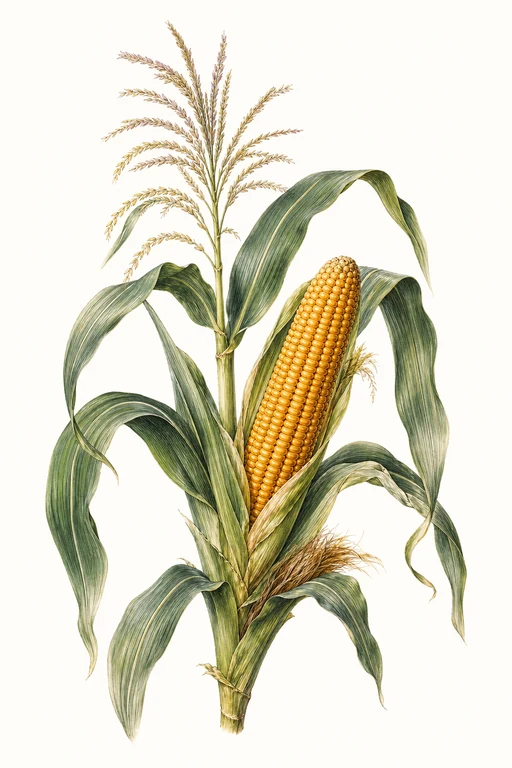
Sweetly aromatic at harvest, Hickory King corn brings a rich, warm golden depth with a tender, floury bite that’s prized for meal-making.
The kernels develop in tight, well-filled rows on sturdy ears, offering a fine, creamy texture that grinds beautifully into flour. Grow it for a dependable 75-day rhythm and a harvest that feels like sunshine in the garden—ideal for turning into hearty, homemade staples and comforting blends.
Light: Full SunMaturity: 75 DaysHabit: Upright
Crop Dates : 4b
| Milestone | Date |
|---|---|
| Start Indoors | Direct Sow |
| Last Frost | May 13th |
| Transplant / Sow Outdoors | May 13th |
| Harvest Begins | Jul 27th |
| Harvest Ends | Sep 27th |
Crop Details
| Trait | Value |
|---|---|
| Days to Maturity | 75 |
| Sun Requirements | Full Sun |
| Growth Habit | Upright |
| Support Needed | None |
| Planting Depth | Normal |
| Germination Temp (°F) | 60 |
| Min Soil Temp (°F) | 60 |
| Min Night Temp (°F) | 50 |
| Harden Off (days) | Not Required |
Culinary Notes

Chef's Note
Hickory King leans into that tender, floury kernel stage—when you cook it just enough, it goes creamy instead of chewy. It’s built for turning fresh sweetness into thicker purées and grinds, where its warm golden aroma stays front-of-house.

Best Uses
- fresh-kernel sauté with a knob of butter and salt (minimal cooking to keep the floury tenderness)
- grinding into sweet corn flour for spoonbread, pancakes, or porridge
- creamy corn purée/soup that thickens naturally without heavy roux
- charred-then-creamed corn for tacos or spooning over roasted chicken

Flavor Profile

Kitchen Pairings
Frequently Asked Questions
What pest or disease problem is common on sweet corn (Zea mays var. saccharata), and how can I fix it?
How often should I water sweet corn during its main growing phase (tasseling to grain fill)?
How do I know when Hickory King sweet corn is ready to harvest?
Sowing Tips

Transplant Conditions
Wait until soil reaches 60°F and nights stay above 50°F before moving outdoors.
Expert Note

Direct-sow when soil is reliably warm (about 60°F+), and plant in blocks for better pollination so ears fill evenly for cornmeal use.