
Holstein Bloodred
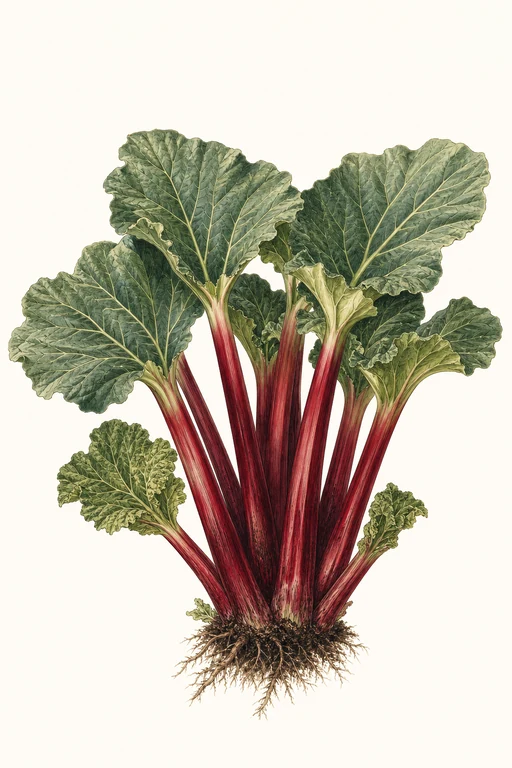
Aromatic, wine-red stalks rise with a velvety sheen—Holstein Bloodred brings a dramatic, blood-bright color that looks as rich as it tastes.
Expect a crisp, tender bite with a lively tartness balanced by a gentle sweetness, making these stalks shine in bright preserves and tangy sauces as well as fresh-style preparations. For a home garden that loves both beauty and bold flavor, this perennial rewards patient growers with dependable, harvest-ready vigor year after year.
Light: Full SunMaturity: 365 DaysHabit: Perennial_Crown
Planting schedules and alerts are optimized for Columbus (Zone 6b).
Crop Dates
| Milestone | Date |
|---|---|
| Last Frost | Apr 25th |
| Growing Approach | Protected Environment Only |
Crop Details
| Trait | Value |
|---|---|
| Days to Maturity | 365 |
| Sun Requirements | Full Sun |
| Growth Habit | Perennial_Crown |
| Support Needed | None |
| Planting Depth | Normal |
| Germination Temp (°F) | 70 |
| Min Soil Temp (°F) | 40 |
| Min Night Temp (°F) | 28 |
| Harden Off (days) | 7 |
Culinary Notes

Chef's Note
Holstein Bloodred’s stalks deliver a crisp, tender bite with that unmistakable, wine-bright tang that only really shines when you don’t overcook them. Use it in preserves or a fast reduction so the color stays dramatic and the tartness keeps its edge.

Best Uses
- quick-cook compote that stays rosy and glossy
- jam/preserve where the color stays blood-bright and the set is lively
- sharp pan sauce for pork or game—tart enough to cut fat
- baked fruit: crisping the edges while keeping the center tender

Flavor Profile

Kitchen Pairings
Frequently Asked Questions
What pest or disease commonly affects Rheum rhabarbarum (Holstein Bloodred), and how do I treat it?
How often should I water Rheum rhabarbarum during its main growing season?
How can I tell when Holstein Bloodred rhubarb is ready to harvest?
Sowing Tips

Transplant Conditions
Wait until soil reaches 40°F and nights stay above 28°F before moving outdoors. Harden off for 7 days first.
Expert Note

Plant crowns where they’ll get full sun and well-drained soil, then delay harvest the first year so plants build strong root systems for later heavy stalk production.