
Holstein
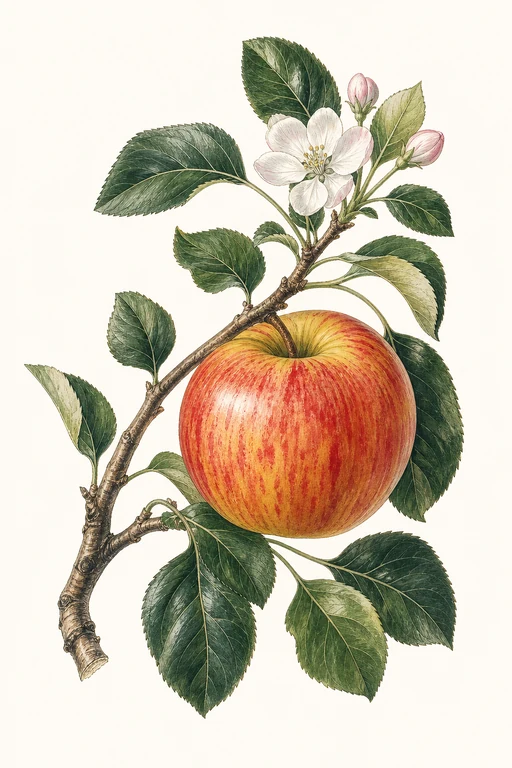
Crisp, bright, and unmistakably aromatic—Holstein apples ripen to a balanced, sweet-tart flavor with a juicy snap that feels alive with every bite.
The fruit’s firm, fine-grained texture holds beautifully for fresh enjoyment, while its classic apple character shines in cider-style drinks and fragrant preserves. Grow Holstein for a long season of dependable harvest and a tree that rewards patience with richly colored, orchard-fresh fruit.
Light: Full SunMaturity: 365 DaysHabit: Shrub
Planting schedules and alerts are optimized for Columbus (Zone 6b).
Crop Dates
| Milestone | Date |
|---|---|
| Last Frost | Apr 25th |
| Growing Approach | Protected Environment Only |
Crop Details
| Trait | Value |
|---|---|
| Days to Maturity | 365 |
| Sun Requirements | Full Sun |
| Growth Habit | Shrub |
| Support Needed | None |
| Planting Depth | Normal |
| Germination Temp (°F) | 60 |
| Min Soil Temp (°F) | 45 |
| Min Night Temp (°F) | 35 |
| Harden Off (days) | Not Required |
Culinary Notes

Chef's Note
Holstein’s firm, fine-grained bite is made for people who want apple flavor without the soggy slide—each slice keeps its snap in cider, preserves, and warm applications. Its bright sweetness and brisk tang play perfectly with fatty proteins and aged cheeses, where the fruit cuts through and refreshes.

Best Uses
- thin-slice apple salads where you want crunch to stay intact
- sliced apples for hot pan-sear/caramel applications (holds shape, not mushy)
- cider-style drinks and fresh pressed blends
- fragrant preserves or chutneys that need apple structure

Flavor Profile

Kitchen Pairings
Frequently Asked Questions
What’s the most common disease pest issue for Malus domestica (apple) and how can I address it?
How often should I water Malus domestica during the main growing season?
How do I tell when Malus domestica (apples) are ready to harvest?
Sowing Tips

Transplant Conditions
Wait until soil reaches 45°F and nights stay above 35°F before moving outdoors.
Expert Note

For apples like “Holstein,” plant dormant bare-root or container trees in cool weather, ensure a compatible pollinator nearby, and prioritize root-pruned, well-drained soil.