
Honey & Cream
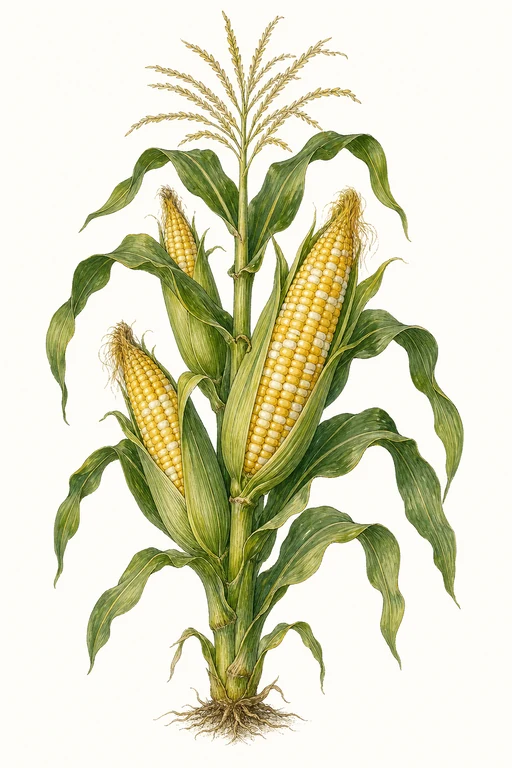
Honey & Cream bursts with a sunlit sweetness—golden kernels that glow like warm honey, softened by a creamy, pale bicolor blend.
At peak maturity, the ears are tender and juicy, with a fine, milky snap that makes each bite feel luminous. Grow Honey & Cream for fresh enjoyment at the table and for standout roasting and grilling, where its natural sugars deepen into a caramel-kissed finish.
Light: Full SunMaturity: 78 DaysHabit: Upright
Planting schedules and alerts are optimized for Columbus (Zone 6b).
Crop Dates
| Milestone | Date |
|---|---|
| Start Indoors | Direct Sow |
| Last Frost | Apr 25th |
| Transplant / Sow Outdoors | Apr 25th |
| Harvest Begins | Jul 12th |
| Harvest Ends | Oct 16th |
Crop Details
| Trait | Value |
|---|---|
| Days to Maturity | 78 |
| Sun Requirements | Full Sun |
| Growth Habit | Upright |
| Support Needed | None |
| Planting Depth | Normal |
| Germination Temp (°F) | 55 |
| Min Soil Temp (°F) | 60 |
| Min Night Temp (°F) | 55 |
| Harden Off (days) | Not Required |
Culinary Notes

Chef's Note
Honey & Cream’s bicolor sweetness sits on a milky, tender crunch—best eaten hot and fresh so the kernels keep that fine snap. When you roast or grill, its natural sugars push toward caramel without turning harsh, making it a knockout next to salt, lime, butter, and a little smoke.

Best Uses
- grill-roast ears until kernels blister for caramel-kissed char
- cut kernels for warm buttered corn bowls with salt and lime
- steam or boil briefly for a clean milky snap
- shave raw kernels into ceviche-style salads with acid

Flavor Profile

Kitchen Pairings
Frequently Asked Questions
What pest or disease most commonly affects sweet corn (Zea mays var. saccharata), and how can I manage it?
How often should I water sweet corn during peak growth, and what soil moisture level should I maintain?
How do I know when Honey & Cream sweet corn is ready to harvest?
Sowing Tips

Transplant Conditions
Wait until soil reaches 60°F and nights stay above 55°F before moving outdoors.
Expert Note

Plant in blocks (not single rows) for good pollination, and water consistently from tassel through ear fill to protect sweetness.