
Honeybaby
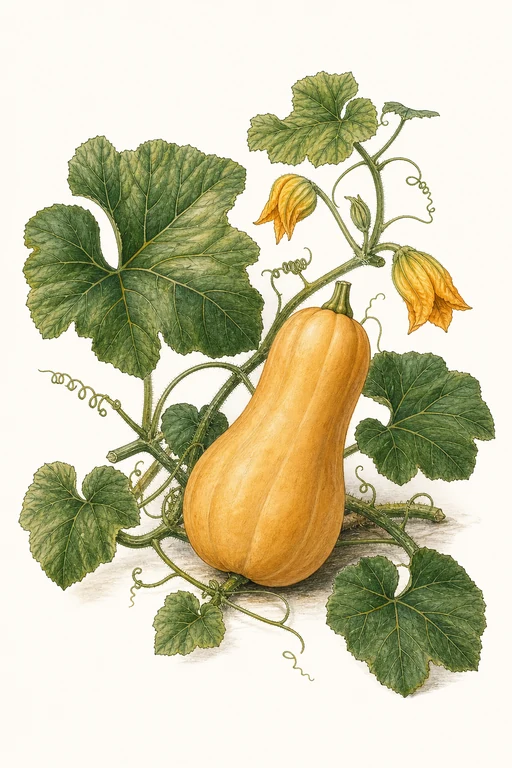
Honeybaby Butternut Squash brings a sun-warmed sweetness with a velvety, fine-grained flesh that turns luxuriously tender when roasted.
Its signature bottle shape and smooth, satiny skin make it a standout in the garden, while the rich, golden interior invites spoonfuls of comfort in every harvest. Ideal for home growers who love dependable, storage-friendly squash with a truly honeyed flavor profile.
Light: Full SunMaturity: 90 DaysHabit: Vine
Crop Dates : 6b
| Milestone | Date |
|---|---|
| Start Indoors | Apr 11th |
| Last Frost | Apr 25th |
| Transplant / Sow Outdoors | Apr 25th |
| Harvest Begins | Jul 24th |
| Harvest Ends | Oct 16th |
Crop Details
| Trait | Value |
|---|---|
| Days to Maturity | 90 |
| Sun Requirements | Full Sun |
| Growth Habit | Vine |
| Support Needed | Trellis |
| Planting Depth | Normal |
| Germination Temp (°F) | 80 |
| Min Soil Temp (°F) | 65 |
| Min Night Temp (°F) | 55 |
| Harden Off (days) | 10 |
Culinary Notes

Chef's Note
Honeybaby’s fine-grained, honeyed interior turns buttery-silky without stringiness, so it behaves beautifully in purées and thick soups. Roast it until the edges bronze and it picks up a caramel edge that plays especially well with sage and brown butter.

Best Uses
- roasted cubes with crisped corners for spoonable caramelization
- thick, smooth purée for soups that cling to the spoon
- butternut mash layered into lasagna or gnocchi fillings
- sheet-pan roasting then blending with browned butter and sage

Flavor Profile

Frequently Asked Questions
Honeybaby (Cucurbita moschata) — what pest or disease most often causes trouble, and how do I fix it?
How often should I water Honeybaby during the main growing phase to keep soil moisture right?
When is Honeybaby ready to harvest, and how can I tell?
Sowing Tips

Transplant Conditions
Wait until soil reaches 65°F and nights stay above 55°F before moving outdoors. Harden off for 10 days first.

Direct Sow Preferred
Sensitive roots — does not transplant well. If starting indoors, use biodegradable pots and disturb roots as little as possible when moving outdoors.
Expert Note

Warm the soil and use row cover until nights stay reliably warm—compact butternut types still need steady heat to set fruit well.