
Honeycrisp
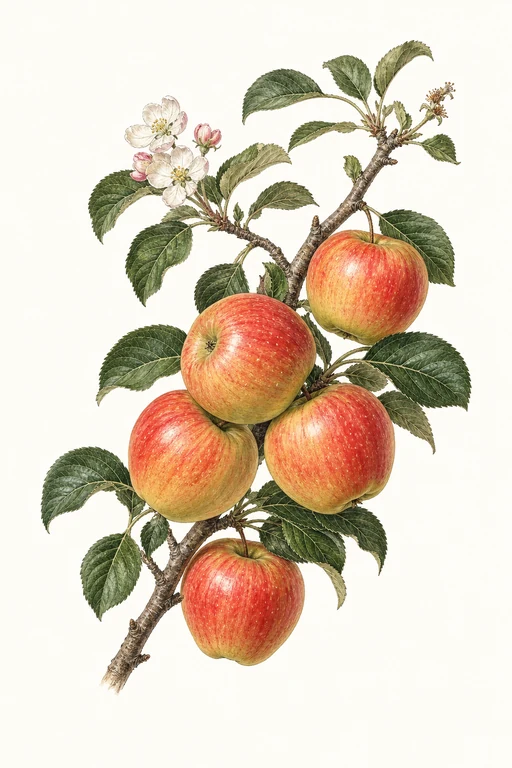
Honeycrisp delivers an arresting crunch with a honeyed, floral sweetness that blooms into a bright, tangy finish—every bite is crisp, juicy, and wonderfully aromatic.
The fruit forms a classic apple silhouette with a striking blush over warm golden tones, promising a satisfying snap and a clean, refreshing texture that shines in the orchard and on the table. Grow Honeycrisp for a standout harvest that’s beloved for fresh enjoyment and for turning into richly flavored preserves and sauces.
Light: Full SunMaturity: 365 DaysHabit: Shrub
Planting schedules and alerts are optimized for Columbus (Zone 6b).
Crop Dates
| Milestone | Date |
|---|---|
| Last Frost | Apr 25th |
| Growing Approach | Protected Environment Only |
Crop Details
| Trait | Value |
|---|---|
| Days to Maturity | 365 |
| Sun Requirements | Full Sun |
| Growth Habit | Shrub |
| Support Needed | None |
| Planting Depth | Normal |
| Germination Temp (°F) | 60 |
| Min Soil Temp (°F) | 50 |
| Min Night Temp (°F) | 25 |
| Harden Off (days) | Not Required |
Culinary Notes

Chef's Note
Honeycrisp’s big, watery crunch and honey-floral aroma make it a standout even with minimal treatment—dress it lightly and it’ll stay snappy. When heat hits, it caramelizes at the edges without collapsing, so it’s built for pan apples, not for long, stewy reductions.

Best Uses
- thin slices for slaws that stay crisp under vinaigrette
- fresh-eating snack apples—no sugar needed
- quick sauté/caramel pan apples for pork or waffles (hold shape, don’t turn mushy)
- chunky pie or galette where you want a juicy, lightly tart bite

Flavor Profile

Kitchen Pairings
Frequently Asked Questions
What are the most common Honeycrisp (Malus domestica) problems with apple scab, and how can I prevent them?
How often should I water Honeycrisp trees during the main growing season, and what soil moisture should I maintain?
When is Honeycrisp (Malus domestica) ready to harvest, and how can I tell?
Sowing Tips

Transplant Conditions
Wait until soil reaches 50°F and nights stay above 25°F before moving outdoors.
Expert Note

For best Honeycrisp performance, plant grafted trees at full sun and ensure compatible pollinizers are nearby for reliable set.