
Honeydew Orange Flesh T
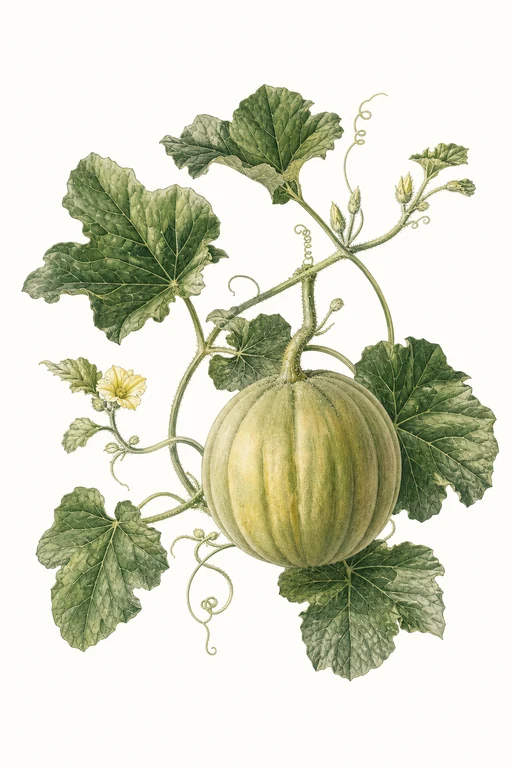
Sun-warmed sweetness pours from Honeydew Orange Flesh T—its flesh turns a luminous orange-gold that tastes richly aromatic and honeyed.
The texture is velvety and juicy, with a smooth, spoonable bite that feels luxurious straight from the fruit. Ideal for fresh slices and show-stopping fruit bowls, it also shines in cooling fruit salads and vibrant, spoon-ready purees for bright color and fragrance.
Light: Full SunMaturity: 85 DaysHabit: Vine
Planting schedules and alerts are optimized for Columbus (Zone 6b).
Crop Dates
| Milestone | Date |
|---|---|
| Start Indoors | Apr 11th |
| Last Frost | Apr 25th |
| Transplant / Sow Outdoors | Apr 25th |
| Harvest Begins | Jul 19th |
| Harvest Ends | Oct 16th |
Crop Details
| Trait | Value |
|---|---|
| Days to Maturity | 85 |
| Sun Requirements | Full Sun |
| Growth Habit | Vine |
| Support Needed | Trellis |
| Planting Depth | Normal |
| Germination Temp (°F) | 75 |
| Min Soil Temp (°F) | 65 |
| Min Night Temp (°F) | 55 |
| Harden Off (days) | 12 |
Culinary Notes

Chef's Note
This honeydew variation reads more perfumed and citrus-floral than typical green-fleshed honeydew, and the orange-gold flesh is built for a spoon—velvety, juicy, and glossy. It loves a sharp acid cue (lime) and creamy foils (yogurt/coconut) rather than heavy spices, so the honey aroma stays front and center.

Best Uses
- cold fruit bowls where it can be spooned—juices stay glossy, not watery
- simple, high-contrast fruit salad where its aroma leads and crisp fruit follows
- bright, cooling melon puree for granita or sorbet-style spoon dessert
- fresh slices with a squeeze of acid to make the honeyed flavor pop

Flavor Profile

Kitchen Pairings
Frequently Asked Questions
What pest or disease problem most often affects Cucumis melo (honeydew) in home gardens, and how do I treat it?
How often should I water honeydew (Cucumis melo) during its main growing phase?
How can I tell when my honeydew (Cucumis melo) is ready to harvest?
Sowing Tips

Transplant Conditions
Wait until soil reaches 65°F and nights stay above 55°F before moving outdoors. Harden off for 12 days first.

Direct Sow Preferred
Sensitive roots — does not transplant well. If starting indoors, use biodegradable pots and disturb roots as little as possible when moving outdoors.
Expert Note

Harden seedlings thoroughly and transplant only when nights are reliably warm and soil has warmed to reduce vine stress.