
Husk Cherry de Jalisco
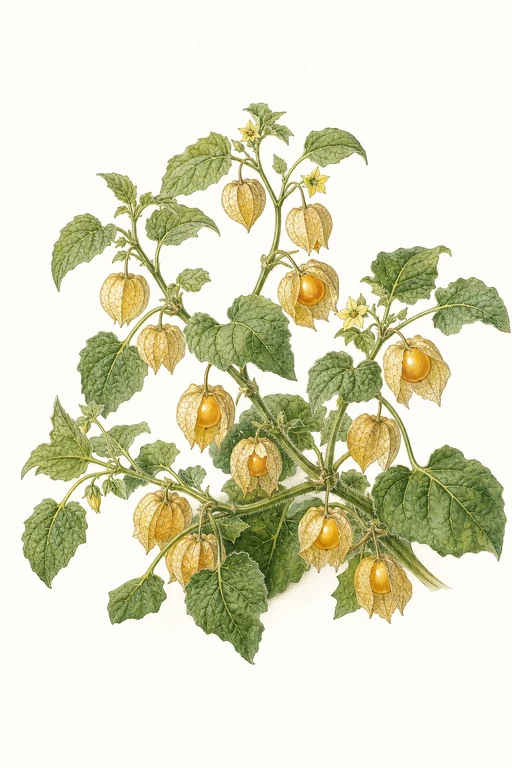
Aromatically sweet and vividly tangy, Husk Cherry de Jalisco ripens to jewel-bright golden fruit cradled in papery lantern husks that feel dry and whisper-light to the touch.
The berries offer a juicy, delicate texture with a bright, sun-warmed flavor that shines whether you enjoy them fresh from the plant or let their character deepen in preserves and sauces. Vigorous and dependable in the home garden, this 75-day variety rewards attention with a steady harvest of lanterns that look as good as they taste.
Light: Full SunMaturity: 75 DaysHabit: Upright
Planting schedules and alerts are optimized for Columbus (Zone 6b).
Crop Dates
| Milestone | Date |
|---|---|
| Start Indoors | Mar 14th |
| Last Frost | Apr 25th |
| Transplant / Sow Outdoors | Jun 20th |
| Harvest Begins | Sep 3rd |
| Harvest Ends | Oct 16th |
Crop Details
| Trait | Value |
|---|---|
| Days to Maturity | 75 |
| Sun Requirements | Full Sun |
| Growth Habit | Upright |
| Support Needed | Cage |
| Planting Depth | Normal |
| Germination Temp (°F) | 75 |
| Min Soil Temp (°F) | 60 |
| Min Night Temp (°F) | 50 |
| Harden Off (days) | 10 |
Culinary Notes

Chef's Note
These husk cherries are all about contrast: sweet first, then a sharp tang that tastes like citrus warmed through. Their juice stays lively in preserves and bakes, so you get bright pops instead of a dull, candy-sweet fruit result.

Best Uses
- fresh-eaten as a crisp, bright snack that cuts richness
- jam or conserve where the tang sets up a jammy gel without tasting flat
- stewed fruit sauce for pork or chicken—stirs in like a quick pan glaze
- baking (tarts, galettes, muffins) for bursts of tangy juice that hold their shape

Flavor Profile

Kitchen Pairings
Frequently Asked Questions
What pest or disease problem commonly affects Physalis philadelphica (husk cherry), and how can I control it?
How often should I water Physalis philadelphica during its main growing phase (after it starts actively growing)?
How do I know when Physalis philadelphica is ready to harvest?
Sowing Tips

Transplant Conditions
Wait until soil reaches 60°F and nights stay above 50°F before moving outdoors. Harden off for 10 days first.
Expert Note

Start seeds indoors for best results, then transplant only once nights are reliably warm and soil is at least 60°F, since young ground cherries hate cold stress.