
SproutSmart
SproutSmart™ Intelligent Garden Sowing

Indian Summer

Family: Asteraceae Flower

Planting Schedule

Provide your location or planting zone to unlock dates and add Indian Summer to a garden.

Velvety petals unfurl in a warm, sunlit blaze—golden to amber—framing a velvety black center that seems to glow from within.

Indian Summer Black-eyed Susan forms sturdy, upright clumps with a graceful, airy presence, offering long-lasting blooms with a crisp, daisy-like texture that stands beautifully in the garden. Ideal for beds, borders, and naturalized drifts, it brings effortless color from early season through fall for gardeners who want dependable, showy impact.

Light: Full SunHabit: Clumping
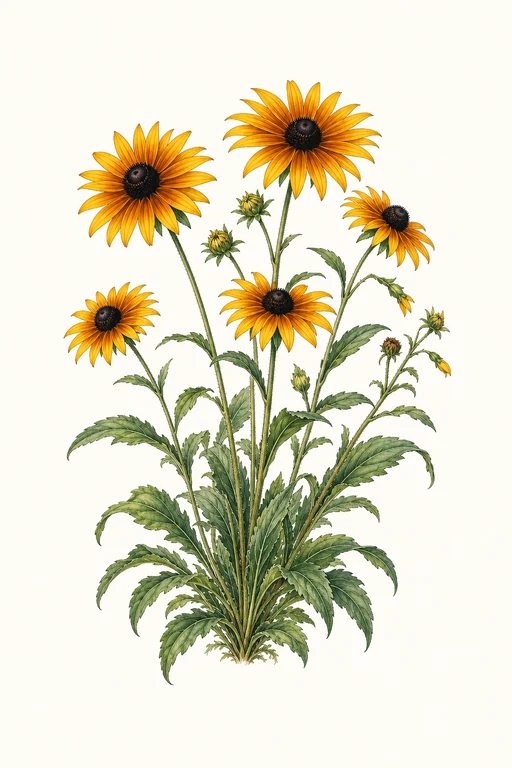
Botanical illustration of Indian Summer

Location not set yet

Location not set yet

Enter your ZIP for local crop dates

Indian Summer Planting Dates by USDA Zone

Estimated US hardiness-zone windows for sow, transplant, and harvest. Enter a US ZIP above for exact local dates, or open a zone below.

Zone Start Indoors Sow / Transplant Harvest
Zone 1a May 18th Jun 15th Jun 15th – Jul 15th
Zone 1b May 4th Jun 1st Jun 1st – Aug 1st
Zone 2a Apr 27th May 25th May 25th – Aug 29th
Zone 2b Apr 17th May 15th May 15th – Aug 25th
Zone 3a Apr 17th May 15th May 15th – Sep 1st
Zone 3b Apr 21st May 19th May 19th – Sep 21st
Zone 4a Apr 17th May 15th May 15th – Sep 24th
Zone 4b Apr 15th May 13th May 13th – Sep 27th
Zone 5a Apr 10th May 8th May 8th – Sep 30th
Zone 5b Apr 6th May 4th May 4th – Oct 5th
Zone 6a Apr 3rd May 1st May 1st – Oct 10th
Zone 6b Mar 28th Apr 25th Apr 25th – Oct 16th
Zone 7a Mar 23rd Apr 20th Apr 20th – Oct 20th
Zone 7b Mar 13th Apr 10th Apr 10th – Oct 28th
Zone 8a Mar 4th Apr 1st Apr 1st – Nov 5th
Zone 8b Feb 23rd Mar 23rd Mar 23rd – Nov 12th
Zone 9a Feb 6th Mar 6th Mar 6th – Nov 26th
Zone 9b Jan 12th Feb 9th Feb 9th – Dec 9th
Zone 10a — Oct 1st Nov 15th – Feb 28th
Zone 10b — Oct 1st Nov 15th – Feb 28th
Zone 11a — Oct 1st Nov 15th – Feb 28th
Zone 11b — Oct 1st Nov 15th – Feb 28th
Zone 12a — Oct 1st Nov 15th – Feb 28th
Zone 12b — Oct 1st Nov 15th – Feb 28th
Zone 13a — Oct 1st Nov 15th – Feb 28th
Zone 13b — Oct 1st Nov 15th – Feb 28th

Crop Details

TraitValue
Days to MaturityN/A
Sun RequirementsFull SunFull sun
Growth HabitClumping
Support NeededNone
Planting DepthNormal
Germination Temp (°F)65
Min Soil Temp (°F)50
Min Night Temp (°F)40
Harden Off (days)7

Frequently Asked Questions


What pest or disease most often affects Rudbeckia hirta (black-eyed Susan), and how can I control it?
Rudbeckia hirta commonly gets powdery mildew in warm, humid weather with poor airflow. Water at the soil line, avoid wetting the leaves, and space plants for airflow; remove heavily infected leaves and improve sun exposure. If it keeps recurring, apply a labeled fungicide made for powdery mildew per the label and repeat as directed.
How often should I water Rudbeckia hirta during the main growing phase, and what soil moisture level should I aim for?
During active growth and bud formation, keep soil evenly moist but not soggy—about 1 inch (2.5 cm) of water per week total, adjusted for rainfall. Water when the top 1 inch of soil feels dry; Rudbeckia tolerates some drought once established, but inconsistent moisture can reduce flowering. Mulch lightly to steady moisture, and ensure drainage so roots don’t sit in water.
How do I tell when Indian Summer (Rudbeckia hirta) is ready to harvest for cut flowers or seed?
For cut flowers, harvest when the ray florets are fully extended and the central disk florets are just beginning to open—blooms should look crisp and freshly colored, not faded. For seed, leave flower heads on the plant until the central disk turns dark and dry and the seeds look firm; cut heads then dry them indoors before separating seeds.