
Ingot
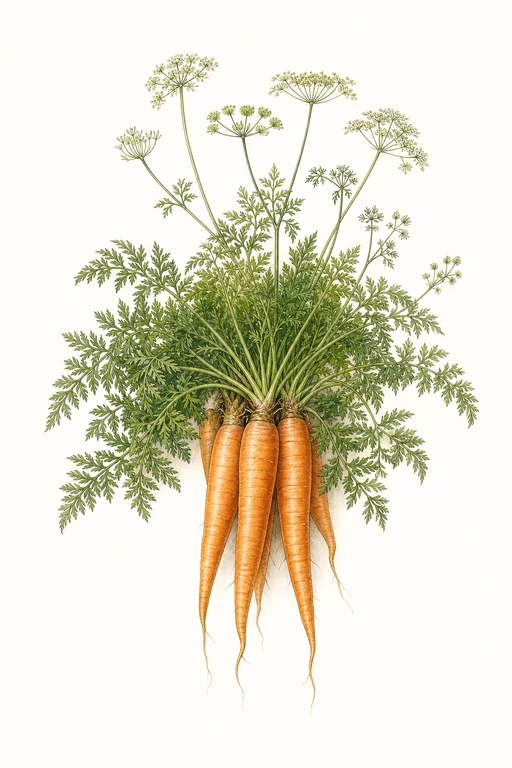
Sweet as polished amber, Ingot carrots mature into long, tapered Nantes roots with a smooth, satiny skin and a crisp, juicy bite.
Their flavor is notably rich and balanced—brightly sweet with a gentle earthiness—making them a standout for roasting, fresh snacking, and vibrant sauces. Grow Ingot for a tidy garden harvest: uniform, dependable roots that hold their quality beautifully through the season.
Light: Full SunMaturity: 70 DaysHabit: Taproot
Location not set yet
Location not set yet
Enter your ZIP for local crop dates
Ingot Planting Dates by USDA Zone
Estimated US hardiness-zone windows for sow, transplant, and harvest. Enter a US ZIP above for exact local dates, or open a zone below.
| Zone | Start Indoors | Sow / Transplant | Harvest |
|---|---|---|---|
| Zone 1a | Protected Environment Only | ||
| Zone 1b | Protected Environment Only | ||
| Zone 2a | Direct Sow | May 25th | Aug 3rd – Aug 29th |
| Zone 2b | Direct Sow | May 15th | Jul 24th – Aug 25th |
| Zone 3a | Direct Sow | May 15th | Jul 24th – Sep 1st |
| Zone 3b | Direct Sow | May 19th | Jul 28th – Sep 21st |
| Zone 4a | Direct Sow | May 15th | Jul 24th – Sep 24th |
| Zone 4b | Direct Sow | May 13th | Jul 22nd – Sep 27th |
| Zone 5a | Direct Sow | May 8th | Jul 17th – Sep 30th |
| Zone 5b | Direct Sow | May 4th | Jul 13th – Oct 5th |
| Zone 6a | Direct Sow | May 1st | Jul 10th – Oct 10th |
| Zone 6b | Direct Sow | Apr 25th | Jul 4th – Oct 16th |
| Zone 7a | Direct Sow | Apr 20th | Jun 29th – Oct 20th |
| Zone 7b | Direct Sow | Apr 10th | Jun 19th – Oct 28th |
| Zone 8a | Direct Sow | Apr 1st | Jun 10th – Nov 5th |
| Zone 8b | Direct Sow | Mar 23rd | Jun 1st – Nov 12th |
| Zone 9a | Direct Sow | Mar 6th | May 15th – Nov 26th |
| Zone 9b | Direct Sow | Feb 9th | Apr 20th – Dec 9th |
| Zone 10a | — | Oct 1st | Dec 10th – Feb 28th |
| Zone 10b | — | Oct 1st | Dec 10th – Feb 28th |
| Zone 11a | — | Oct 1st | Dec 10th – Feb 28th |
| Zone 11b | — | Oct 1st | Dec 10th – Feb 28th |
| Zone 12a | — | Oct 1st | Dec 10th – Feb 28th |
| Zone 12b | — | Oct 1st | Dec 10th – Feb 28th |
| Zone 13a | — | Oct 1st | Dec 10th – Feb 28th |
| Zone 13b | — | Oct 1st | Dec 10th – Feb 28th |
Crop Details
| Trait | Value |
|---|---|
| Days to Maturity | 70 |
| Sun Requirements | Full Sun |
| Growth Habit | Taproot |
| Support Needed | None |
| Planting Depth | Normal |
| Germination Temp (°F) | 55 |
| Min Soil Temp (°F) | 45 |
| Min Night Temp (°F) | 28 |
| Harden Off (days) | Not Required |
Culinary Notes

Chef's Note
Ingot Nantes carrots are built for bite—crisp, juicy, and sweet right through, so they don’t turn woolly even when they’re roasted hard. Use them anywhere you want clean caramelization or a satiny purée, and keep your seasoning aromatic rather than heavy-handed (ginger/citrus/ground spice hits perfectly).

Best Uses
- roasting on high heat for caramelized edges and a juicy interior
- shaved or raw snacking sticks that stay snappy under light dressings
- quick carrot purée for silky, naturally sweet sauces
- glazing in butter/honey to highlight the Nantes taper

Flavor Profile

Kitchen Pairings
Frequently Asked Questions
How do I prevent and treat Alternaria leaf blight or early blight on Daucus carota (carrot)?
During the main growth phase, how often should I water carrots (Daucus carota var. sativus) and what soil moisture level should I maintain?
What signs tell me my carrots (Daucus carota var. sativus) are ready to harvest around 70 days?
Sowing Tips

Transplant Conditions
Wait until soil reaches 45°F and nights stay above 28°F before moving outdoors.
Expert Note

For deepest color and straight roots, sow Ingot directly into well-worked, stone-free soil and keep the top 1 in consistently moist until germination.