
Japanese Buckwheat
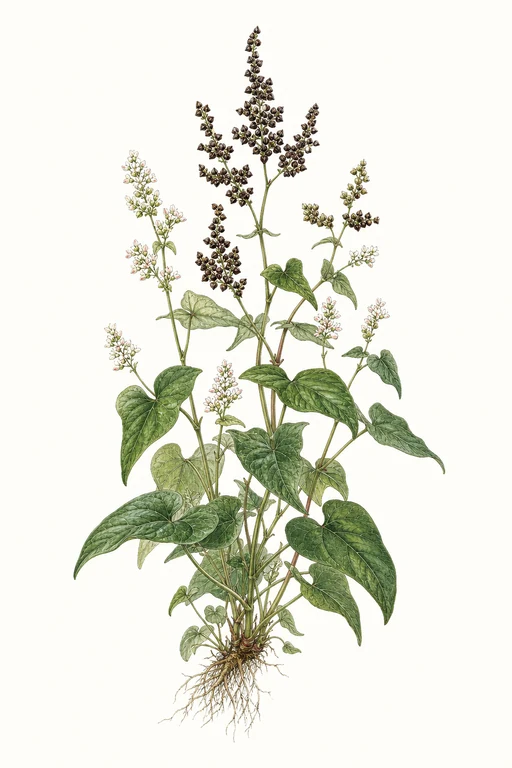
Fragrant, honeyed blossoms rise above a dense, upright stand, then give way to plump, darkly nutty grains with a clean, earthy bite.
Japanese Buckwheat delivers a satisfyingly firm texture and a pleasantly toasted flavor that shines in hearty grain bowls, robust pilafs, and warming porridge-style preparations. Ideal for gardeners who love dependable harvests at about 75 days, it’s a rewarding crop for pantry staples and homemade mixes alike.
Light: Full SunMaturity: 75 DaysHabit: Upright
Planting schedules and alerts are optimized for Columbus (Zone 6b).
Crop Dates
| Milestone | Date |
|---|---|
| Start Indoors | Direct Sow |
| Last Frost | Apr 25th |
| Transplant / Sow Outdoors | Apr 25th |
| Harvest Begins | Jul 9th |
| Harvest Ends | Oct 16th |
Crop Details
| Trait | Value |
|---|---|
| Days to Maturity | 75 |
| Sun Requirements | Full Sun |
| Growth Habit | Upright |
| Support Needed | None |
| Planting Depth | Normal |
| Germination Temp (°F) | 55 |
| Min Soil Temp (°F) | 45 |
| Min Night Temp (°F) | 35 |
| Harden Off (days) | Not Required |
Culinary Notes

Chef's Note
Japanese buckwheat cooks up with a pleasantly firm bite and a toasted, cocoa-nut edge—great when you want grain that doesn’t collapse into the sauce. Go for butter/miso or mushrooms/cheese pairings so its earthy nuttiness tastes bright, not flat.

Best Uses
- hearty grain bowls that need structure and hold under dressings
- warm pilafs where the grains stay distinct (not mushy)
- porridge-style breakfasts cooked to a thick, spoonable consistency
- roasted buckwheat mixes for crunchy pantry salads/toppings

Flavor Profile

Kitchen Pairings
Frequently Asked Questions
What pest or disease commonly affects Fagopyrum esculentum (Japanese buckwheat), and what should I do?
How often should I water Fagopyrum esculentum during its main growing phase?
How do I know when Japanese buckwheat (Fagopyrum esculentum) is ready to harvest?
Sowing Tips

Transplant Conditions
Wait until soil reaches 45°F and nights stay above 35°F before moving outdoors.
Expert Note

Sow directly after frost danger when soil is cool, keep soil lightly moist until emergence, and harvest once most seed heads are dry and brown.