
Japanese Red
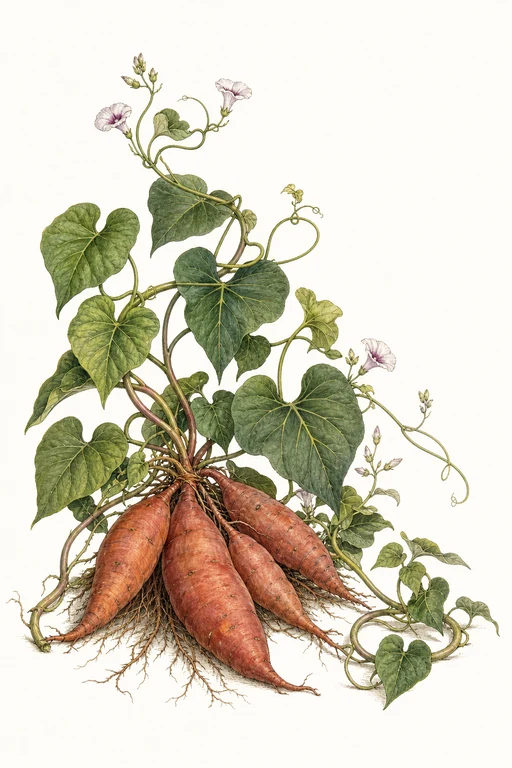
Sink your spoon into Japanese Red’s rich, sunset-orange flesh—silky-smooth when cooked, with a naturally sweet, honeyed depth that lingers on the palate.
The tubers form with an elegant, tapered shape and a warm copper-red skin that peels cleanly to reveal velvety color, making them a standout for bold color in any harvest basket. Grow Japanese Red for dependable, garden-friendly performance and a vibrant orange tuber that shines in roasting, mashing, and hearty sauces.
Light: Full SunMaturity: 105 DaysHabit: Vine
Planting schedules and alerts are optimized for Columbus (Zone 6b).
Crop Dates
| Milestone | Date |
|---|---|
| Start Indoors | Direct Sow |
| Last Frost | Apr 25th |
| Transplant / Sow Outdoors | Apr 25th |
| Harvest Begins | Aug 8th |
| Harvest Ends | Oct 16th |
Crop Details
| Trait | Value |
|---|---|
| Days to Maturity | 105 |
| Sun Requirements | Full Sun |
| Growth Habit | Vine |
| Support Needed | None |
| Planting Depth | Normal |
| Germination Temp (°F) | 80 |
| Min Soil Temp (°F) | 60 |
| Min Night Temp (°F) | 55 |
| Harden Off (days) | Not Required |
Culinary Notes

Chef's Note
Japanese Red cooks up with a silkier mouthfeel than many orange sweet potatoes, so it doesn’t go gluey—it becomes spoon-tender with a honey-caramel finish. It’s built for heat-heavy cooking (roast, mash, blend) where its sweetness rounds out against sharp citrus or peppery spice.

Best Uses
- roasting in thick wedges to concentrate the honeyed edges
- mashing for a spoon-coating puree that stays silky
- velvety soups or curry sauces (blend, then gently reduce for cling)
- baking into custardy sweet-potato filling for pies or hand pies

Flavor Profile

Frequently Asked Questions
What pest or disease is most likely on Ipomoea batatas (Japanese Red) and how can I control it?
How often should I water Japanese Red sweet potatoes during the main growing phase (vining/leaf growth)?
How do I know when Japanese Red sweet potatoes are ready to harvest at about 105 days?
Sowing Tips

Transplant Conditions
Wait until soil reaches 60°F and nights stay above 55°F before moving outdoors.
Expert Note

Sweet potatoes are started from slips (not seed) and must only be planted after soil is reliably warm—cool soil is the main reason for poor stands.