
Joan J
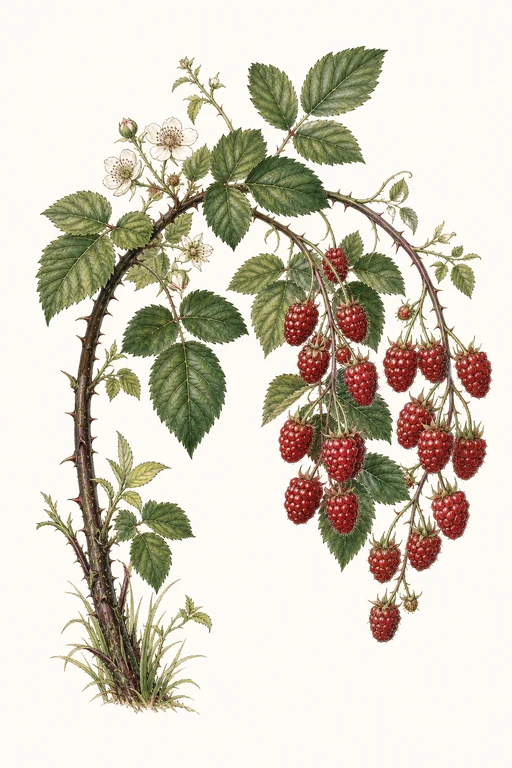
Bursting with a bright, true-raspberry fragrance, ‘Joan J’ delivers berries that ripen to a vivid ruby glow and offer a juicy, tender bite with a pleasantly balanced sweet-tart character.
The fruit’s delicate, velvety texture shines in fresh enjoyment and makes a standout choice for preserves, sauces, and vibrant desserts. Vigorous and reliably productive, ‘Joan J’ is a garden favorite for anyone who wants abundant, jewel-toned harvests season after season.
Light: Full SunMaturity: 90 DaysHabit: Upright
Planting schedules and alerts are optimized for Columbus (Zone 6b).
Crop Dates
| Milestone | Date |
|---|---|
| Start Indoors | Direct Sow |
| Last Frost | Apr 25th |
| Transplant / Sow Outdoors | Apr 25th |
| Harvest Begins | Jul 24th |
| Harvest Ends | Oct 16th |
Crop Details
| Trait | Value |
|---|---|
| Days to Maturity | 90 |
| Sun Requirements | Full Sun |
| Growth Habit | Upright |
| Support Needed | Trellis |
| Planting Depth | Normal |
| Germination Temp (°F) | 70 |
| Min Soil Temp (°F) | 50 |
| Min Night Temp (°F) | 35 |
| Harden Off (days) | Not Required |
Culinary Notes

Chef's Note
Joan J leans into that sharp, fragrant raspberry character with a tender, velvety texture—so it performs best when you treat it gently and let it speak, not when you overcook it into pulp. Use it for fast-melting sauces and vivid desserts where the berries can stay glossy and juicily intact.

Best Uses
- fresh eating where the fruit stays tender (no heavy chopping)
- quick berry maceration for topping yogurt or soft cheeses
- stove-top sauce or glaze that coats without turning grainy
- ruby-hued preserves and jam where the fragrance stays front and center

Flavor Profile

Kitchen Pairings
Frequently Asked Questions
What pest is most common on Rubus idaeus (raspberries) and how do I control it?
How often should I water Rubus idaeus during its main growing phase?
How can I tell when Rubus idaeus is ready to harvest?
Sowing Tips

Transplant Conditions
Wait until soil reaches 50°F and nights stay above 35°F before moving outdoors.
Expert Note

Plant in full sun with well-drained soil and keep crowns level; thornless raspberries still benefit from a trellis for best fruiting.