
Jonamac
Crisp, juicy Jonamac apples burst with a bright, sweet-tart snap and a clean, aromatic finish that lingers on the palate.
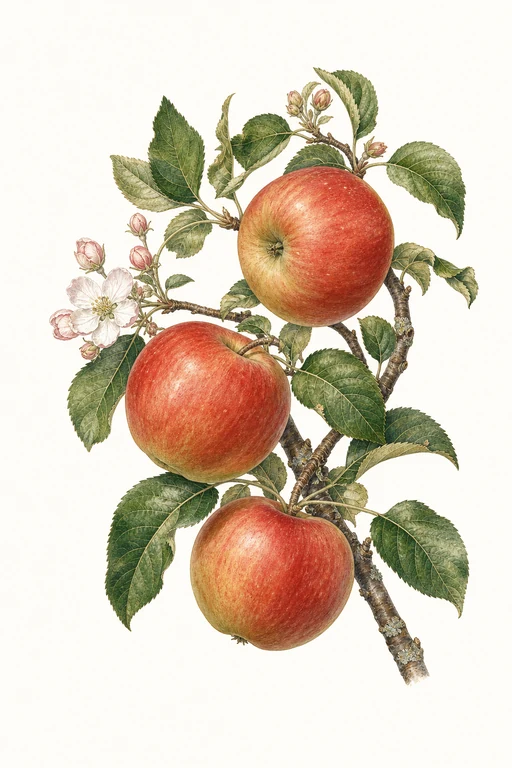
The fruit shows a classic apple silhouette with a richly blushed skin over a pale, creamy base, while the flesh stays firm and refreshingly crunchy—ideal for turning everyday harvest into standout flavor. Grow Jonamac for reliable, season-long enjoyment in fresh displays and for preserving projects that celebrate its balanced bite.
Light: Full SunMaturity: 365 DaysHabit: Shrub
Planting schedules and alerts are optimized for Columbus (Zone 6b).
Crop Dates
| Milestone | Date |
|---|---|
| Last Frost | Apr 25th |
| Growing Approach | Protected Environment Only |
Crop Details
| Trait | Value |
|---|---|
| Days to Maturity | 365 |
| Sun Requirements | Full Sun |
| Growth Habit | Shrub |
| Support Needed | None |
| Planting Depth | Normal |
| Germination Temp (°F) | 60 |
| Min Soil Temp (°F) | 50 |
| Min Night Temp (°F) | 28 |
| Harden Off (days) | Not Required |
Culinary Notes

Chef's Note
Jonamac’s firm, crackly bite and balanced acidity make it a standout for raw applications where other apples turn soft and woolly. It also reduces cleanly—its tart edge keeps apple butter and compotes tasting lively instead of flat.

Best Uses
- fresh snacking and lunchbox slices that don’t go mealy
- shredded slaws where the apple stays snappy under dressing
- apple butter and sauce that benefits from a sharp-sweet, fast-cooking reduction
- tarts and galettes where firm slices hold shape and texture

Flavor Profile

Kitchen Pairings
Frequently Asked Questions
What are common pests or diseases for Malus domestica (Jonamac apples), and what should I do if I see them?
How often should I water Malus domestica during the main growing season?
How can I tell when Jonamac (Malus domestica) apples are ready to harvest?
Sowing Tips

Transplant Conditions
Wait until soil reaches 50°F and nights stay above 28°F before moving outdoors.
Expert Note

For apples like Jonamac, plant a cold-hardy rootstock grafted tree in full sun and ensure a compatible pollinizer nearby for reliable fruit set.