
Jonathan
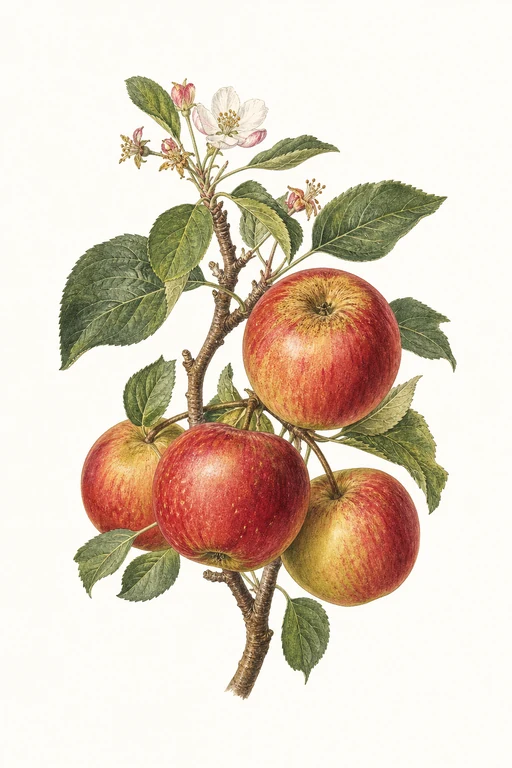
Crisp, juicy bite with a bright, orchard-fresh snap—Jonathan apples bring a lively sweet-tart balance that feels like cool morning air.
At maturity, the fruit shows a deep, blushed red over a warm yellow ground, with a firm, fine-grained texture that holds its character beautifully from tree to table. Grow Jonathan for standout flavor in fresh fruit baskets and for preserves that capture its tangy, aromatic essence.
Light: Full SunMaturity: 30 DaysHabit: Shrub
Planting schedules and alerts are optimized for Columbus (Zone 6b).
Crop Dates
| Milestone | Date |
|---|---|
| Start Indoors | Direct Sow |
| Last Frost | Apr 25th |
| Transplant / Sow Outdoors | Apr 25th |
| Harvest Begins | May 25th |
| Harvest Ends | Oct 16th |
Crop Details
| Trait | Value |
|---|---|
| Days to Maturity | 30 |
| Sun Requirements | Full Sun |
| Growth Habit | Shrub |
| Support Needed | None |
| Planting Depth | Normal |
| Germination Temp (°F) | 70 |
| Min Soil Temp (°F) | 40 |
| Min Night Temp (°F) | 28 |
| Harden Off (days) | Not Required |
Culinary Notes

Chef's Note
Jonathan’s fine-grained crunch and brisk acidity make it a front-of-the-basket eating apple—you’ll feel that orchard snap even after cooking. Use it when you want tartness to read clearly and when you need the slices or preserve to hold their structure instead of going fluffy.

Best Uses
- thin slices for salads where the fruit needs to stay snappy under dressing
- sheet-pan roasted wedges with cinnamon and butter—best when caramelization is just starting
- quick sautés for skillet pork or sausages that want a tangy glaze
- pectin-forward preserves and fruit butters that hold set with minimal fuss

Flavor Profile

Kitchen Pairings
Frequently Asked Questions
What is a common disease or pest issue for Malus domestica (apple), and how do I manage it at home?
During the main growing phase, how often should I water Malus domestica and what soil moisture level should I aim for?
How can I tell when my Malus domestica is ready to harvest?
Sowing Tips

Transplant Conditions
Wait until soil reaches 40°F and nights stay above 28°F before moving outdoors.
Expert Note

Plant apple trees in full sun with well-drained soil, and plan on cross-pollination (a compatible cultivar) for best set.