
Juici
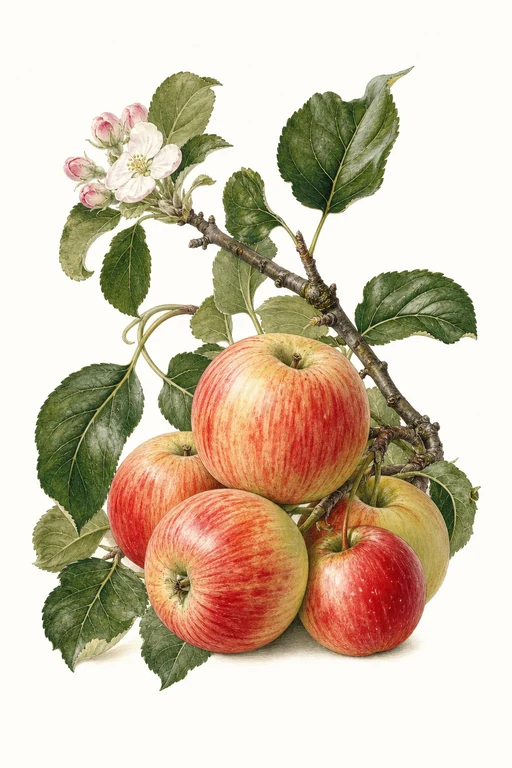
Juici apple delivers a bright, juicy snap with a honeyed-tart lift that feels vivid from the first bite.
The fruit is crisp and finely grained, holding its refreshing texture whether savored straight from the tree or turned into smooth, glossy sauces and preserves. Grow Juici for a season-long harvest that brings orchard-fresh flavor to every jar and bowl.
Light: Full SunMaturity: 180 DaysHabit: Shrub
Planting schedules and alerts are optimized for Columbus (Zone 6b).
Crop Dates
| Milestone | Date |
|---|---|
| Last Frost | Apr 25th |
| Growing Approach | Protected Environment Only |
Crop Details
| Trait | Value |
|---|---|
| Days to Maturity | 180 |
| Sun Requirements | Full Sun |
| Growth Habit | Shrub |
| Support Needed | None |
| Planting Depth | Normal |
| Germination Temp (°F) | 60 |
| Min Soil Temp (°F) | 50 |
| Min Night Temp (°F) | 40 |
| Harden Off (days) | Not Required |
Culinary Notes

Chef's Note
Juici’s finely grained crispness and honeyed-tart lift make it a standout for anything you want to bite into—raw it won’t turn mealy, and cooked it keeps a lively acidity instead of going jammy and dull. It’s the kind of apple that makes sauce look polished and taste bright, not heavy.

Best Uses
- grating or slicing for crunchy slaws that stay snappy
- smooth, glossy apple sauce where the tartness cuts sweetness
- spoonable preserves/jams that set without tasting flat
- fresh eating with sharp cheese and cured meats

Flavor Profile

Kitchen Pairings
Frequently Asked Questions
What pest or disease commonly affects Malus domestica (apple) and what should I do if I see it?
How often should I water Malus domestica during the main growing season, and what soil moisture target should I aim for?
How can I tell when Malus domestica is ready to harvest (instead of picking too early)?
Sowing Tips

Transplant Conditions
Wait until soil reaches 50°F and nights stay above 40°F before moving outdoors.
Expert Note

For apples, buy grafted nursery stock (not from seed) and plant in full sun with well-drained soil for best root establishment and fruit set.