
Kajari
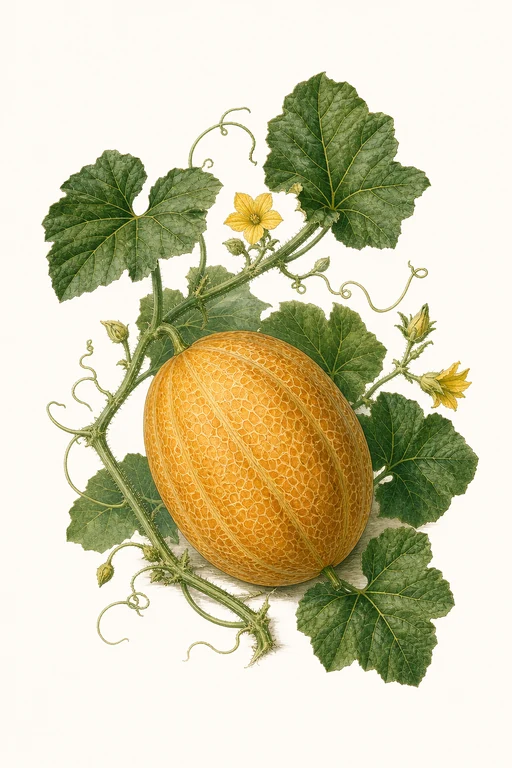
Sink your senses into Kajari’s fragrant, honeyed aroma and its richly sweet, sun-warmed flavor.
At maturity, the fruit delivers a tender, juicy bite with a smooth, satiny flesh that feels almost velvety on the palate. Ideal for specialty melon lovers, Kajari shines when enjoyed fresh and also elevates fruit-forward preparations such as chilled blends, bright salsas, and elegant pickling-style preserves.
Light: Full SunMaturity: 65 DaysHabit: Vine
Planting schedules and alerts are optimized for Columbus (Zone 6b).
Crop Dates
| Milestone | Date |
|---|---|
| Start Indoors | Apr 11th |
| Last Frost | Apr 25th |
| Transplant / Sow Outdoors | Apr 25th |
| Harvest Begins | Jun 29th |
| Harvest Ends | Oct 16th |
Crop Details
| Trait | Value |
|---|---|
| Days to Maturity | 65 |
| Sun Requirements | Full Sun |
| Growth Habit | Vine |
| Support Needed | Trellis |
| Planting Depth | Normal |
| Germination Temp (°F) | 70 |
| Min Soil Temp (°F) | 65 |
| Min Night Temp (°F) | 55 |
| Harden Off (days) | 10 |
Culinary Notes

Chef's Note
Kajari’s honeyed fragrance and smooth, satiny bite make it a luxury when eaten cold and clean—letting sweetness hit before any acid shows up. Pair it with sharp citrus/ginger and salty fats (feta, prosciutto) so the fruit doesn’t read cloying.

Best Uses
- cold fresh-eating slices (no dressing besides a squeeze of citrus)
- chilled melon blends with ginger or mint
- bright, fruit-forward salsa that stays juicy without turning mushy
- quick pickling-style preserves for a sweet-tart bite

Flavor Profile

Kitchen Pairings
Frequently Asked Questions
What pest or disease problem is most common on Cucumis melo (Kajari) and how do I control it?
How often should I water Kajari while it’s actively growing (after it starts vining)?
How can I tell when my Kajari is ready to harvest at about 65 days?
Sowing Tips

Transplant Conditions
Wait until soil reaches 65°F and nights stay above 55°F before moving outdoors. Harden off for 10 days first.

Direct Sow Preferred
Sensitive roots — does not transplant well. If starting indoors, use biodegradable pots and disturb roots as little as possible when moving outdoors.
Expert Note

For a short-season melon, start plants indoors only briefly (or sow right after frost), then transplant to warm soil and keep mulch on early to boost soil temperature and sweetness.