
Kandil Sinap
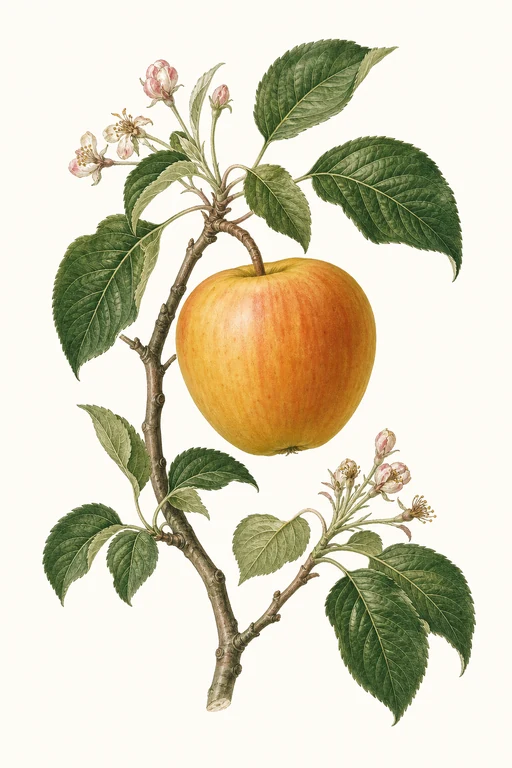
Crisp, cool snap meets a bright, apple-sweet fragrance as Kandil Sinap ripens—its flavor is clean and luminous, with a gentle tang that lingers beautifully.
The fruit shows a pleasing, firm bite and a juicy, fine-grained texture that stays satisfying from the first crunch to the last. Grow Kandil Sinap for fresh enjoyment and for turning into fragrant preserves and spiced blends that showcase its balanced character.
Light: Full SunMaturity: 120 DaysHabit: Shrub
Planting schedules and alerts are optimized for Columbus (Zone 6b).
Crop Dates
| Milestone | Date |
|---|---|
| Start Indoors | Direct Sow |
| Last Frost | Apr 25th |
| Transplant / Sow Outdoors | Apr 25th |
| Harvest Begins | Aug 23rd |
| Harvest Ends | Oct 16th |
Crop Details
| Trait | Value |
|---|---|
| Days to Maturity | 120 |
| Sun Requirements | Full Sun |
| Growth Habit | Shrub |
| Support Needed | None |
| Planting Depth | Normal |
| Germination Temp (°F) | 65 |
| Min Soil Temp (°F) | 40 |
| Min Night Temp (°F) | 35 |
| Harden Off (days) | Not Required |
Culinary Notes

Chef's Note
Kandil Sinap is built for a fresh, high-crunch moment—its cool, juicy firmness keeps its bite even when it’s folded into warm spice or reduced into a glossy preserve. Use it when you want apple flavor to stay clean and luminous instead of turning soft and dull.

Best Uses
- fresh eating—slice-thin so it stays snappy
- cinnamon-and-clove spiced apple compote for spoonable desserts
- fragrant preserves where the tang stays bright
- dry-rub or chopped apple for quick slaws that don’t go mealy

Flavor Profile

Kitchen Pairings
Frequently Asked Questions
What pest or disease is most common on Malus domestica (apple) like Kandil Sinap, and what should I do?
How often should I water my Kandil Sinap apple during the main growing phase?
How can I tell when Kandil Sinap apples are ready to harvest?
Sowing Tips

Transplant Conditions
Wait until soil reaches 40°F and nights stay above 35°F before moving outdoors.
Expert Note

Plant grafted apple trees in full sun with well-drained soil, and ensure at least one compatible pollinator variety nearby for reliable fruit set.