
Kermit
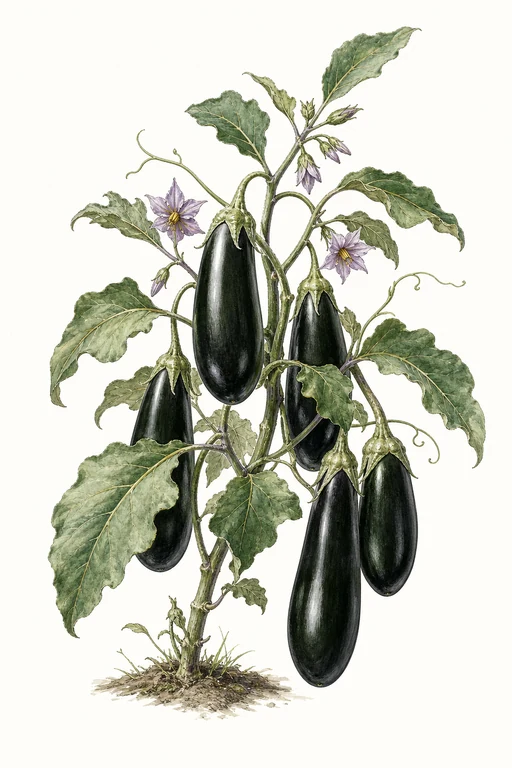
Sink your senses into Kermit’s glossy, deep-ink fruit—sleek and richly colored, with a tender, subtly sweet flavor that stays smooth and refined.
Harvested at about 70 days, these Thai eggplants develop a slender, elegant shape and a satiny, lightly firm texture that shines in quick, vibrant preparations and shines fresh in bold, aromatic dishes. Grow Kermit for a steady, garden-to-plate bounty of striking fruit that looks as good as it tastes.
Light: Full SunMaturity: 70 DaysHabit: Bush
Planting schedules and alerts are optimized for Columbus (Zone 6b).
Crop Dates
| Milestone | Date |
|---|---|
| Start Indoors | Mar 7th |
| Last Frost | Apr 25th |
| Transplant / Sow Outdoors | Jun 20th |
| Harvest Begins | Aug 29th |
| Harvest Ends | Oct 16th |
Crop Details
| Trait | Value |
|---|---|
| Days to Maturity | 70 |
| Sun Requirements | Full Sun |
| Growth Habit | Bush |
| Support Needed | Cage |
| Planting Depth | Normal |
| Germination Temp (°F) | 80 |
| Min Soil Temp (°F) | 60 |
| Min Night Temp (°F) | 50 |
| Harden Off (days) | 10 |
Culinary Notes

Chef's Note
Kermit’s Thai-style slender fruit stays sleek and tender, so it’s built for speed—heat it hard, and it turns creamy without turning to paste. The mellow sweetness invites bright acids and aromatics, making it ideal for char, stir-fries, and quick curries where it stays glossy instead of collapsing.

Best Uses
- hot quick-stir: sauté until glossy and just tender, no long stew time
- char/grill and fold into chili-lime sauces for smoky creaminess
- thin-slice pan-fry for crisp edges with a soft center
- toss into a fast vegetable curry where it absorbs aromatics without collapsing

Flavor Profile

Kitchen Pairings
Frequently Asked Questions
What pest or disease issue is most common for Solanum melongena (eggplant), and what should I do if I see it?
How often should I water Solanum melongena during the main growing phase (around flowering and fruit set)?
How can I tell when Solanum melongena is ready to harvest?
Sowing Tips

Transplant Conditions
Wait until soil reaches 60°F and nights stay above 50°F before moving outdoors. Harden off for 10 days first.
Expert Note

For small Thai-type eggplants, give steady heat (warm days and nights) after transplanting to prevent flowering drop and keep fruit sets coming.