
Kettle River Giant
Sink your senses into Kettle River Giant’s bold, lingering aroma—rich, pungent, and unmistakably hardneck.
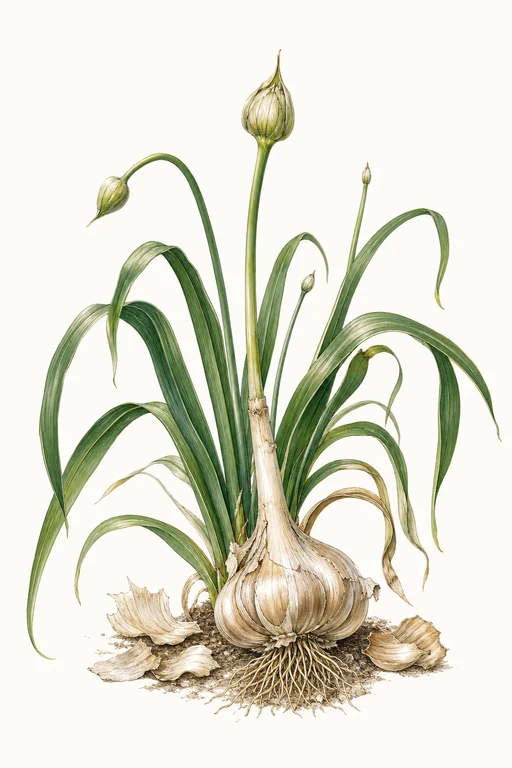
At maturity, it forms large, well-filled bulbs with a creamy, satiny texture and deep clove character that shines when roasted for mellow sweetness or used fresh for bright, assertive flavor in sauces and pickles. A standout for gardeners who want impressive size and dependable performance, Kettle River Giant rewards with a confident harvest and a pantry-worthy presence.
Light: Full SunMaturity: 240 DaysHabit: Bulbing
Location not set yet
Location not set yet
Enter your ZIP for local crop dates
Kettle River Giant Planting Dates by USDA Zone
Estimated US hardiness-zone windows for sow, transplant, and harvest. Enter a US ZIP above for exact local dates, or open a zone below.
| Zone | Start Indoors | Sow / Transplant | Harvest |
|---|---|---|---|
| Zone 1a | Protected Environment Only | ||
| Zone 1b | Protected Environment Only | ||
| Zone 2a | Protected Environment Only | ||
| Zone 2b | Protected Environment Only | ||
| Zone 3a | Protected Environment Only | ||
| Zone 3b | Protected Environment Only | ||
| Zone 4a | Protected Environment Only | ||
| Zone 4b | Protected Environment Only | ||
| Zone 5a | Protected Environment Only | ||
| Zone 5b | Protected Environment Only | ||
| Zone 6a | Protected Environment Only | ||
| Zone 6b | Protected Environment Only | ||
| Zone 7a | Protected Environment Only | ||
| Zone 7b | Protected Environment Only | ||
| Zone 8a | Protected Environment Only | ||
| Zone 8b | Protected Environment Only | ||
| Zone 9a | Direct Sow | Jan 23rd | Sep 20th – Nov 26th |
| Zone 9b | Direct Sow | Dec 29th | Aug 26th – Dec 9th |
| Zone 10a | — | Oct 1st | Feb 28th – Feb 28th |
| Zone 10b | — | Oct 1st | Feb 28th – Feb 28th |
| Zone 11a | — | Oct 1st | Feb 28th – Feb 28th |
| Zone 11b | — | Oct 1st | Feb 28th – Feb 28th |
| Zone 12a | — | Oct 1st | Feb 28th – Feb 28th |
| Zone 12b | — | Oct 1st | Feb 28th – Feb 28th |
| Zone 13a | — | Oct 1st | Feb 28th – Feb 28th |
| Zone 13b | — | Oct 1st | Feb 28th – Feb 28th |
Crop Details
| Trait | Value |
|---|---|
| Days to Maturity | 240 |
| Sun Requirements | Full Sun |
| Growth Habit | Bulbing |
| Support Needed | None |
| Planting Depth | Normal |
| Germination Temp (°F) | 50 |
| Min Soil Temp (°F) | 40 |
| Min Night Temp (°F) | 25 |
| Harden Off (days) | Not Required |
Culinary Notes

Chef's Note
Kettle River Giant is hardneck big-clove garlic—its aroma hits first and lingers, then turns luxuriously sweet and spreadable under heat. Use it roasted for a creamy, mellow paste, or raw/smashed for a sharp, clean bite that cuts through fat and makes sauces feel louder.

Best Uses
- roast the whole bulb until spreadable—sweet, silky paste for toast or mash
- mince and bloom in olive oil or butter for assertive sauces
- fresh smash-and-mix into vinaigrettes or quick pickles
- slow-simmer into stews and braises for rounded, savory depth

Flavor Profile

Kitchen Pairings
Frequently Asked Questions
What pest or disease is most likely on Allium sativum (garlic), and how can I manage it?
How often should I water Allium sativum during the main growing phase?
How do I tell when Kettle River Giant garlic (Allium sativum) is ready to harvest?
Sowing Tips

Transplant Conditions
Wait until soil reaches 40°F and nights stay above 25°F before moving outdoors.
Expert Note

Plant softneck garlic cloves in fall so they experience winter chilling; in spring, pull mulch back and keep soil evenly moist until scapes/bulbs mature.