
Kiku
Crisp, bright, and unmistakably apple-sweet, Kiku brings a clean snap and juicy, aromatic bite to the garden’s harvest.
Its fruit develops a pleasing balance of tender crunch and refreshing flavor, making it a standout for fresh enjoyment and for turning into smooth, fragrant sauces. Grow Kiku for a season-long sense of anticipation—then savor the moment when the orchard glow arrives in hand.
Light: Full SunHabit: Shrub
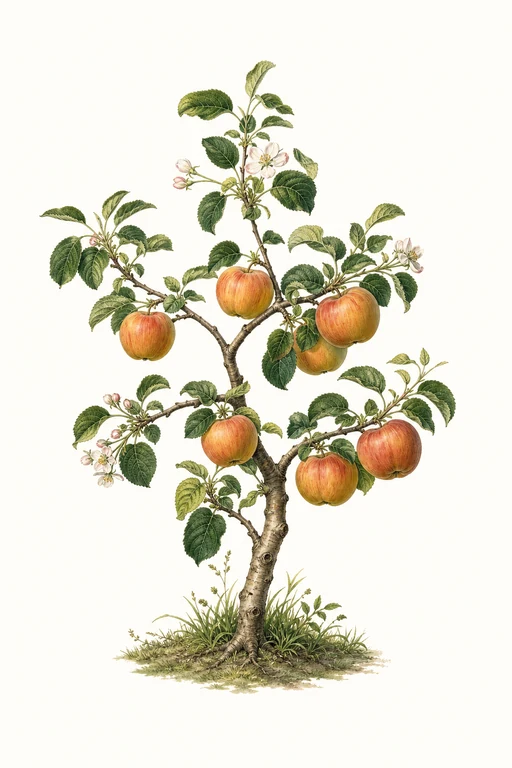
Planting schedules and alerts are optimized for Columbus (Zone 6b).
Crop Dates
| Milestone | Date |
|---|---|
| Start Indoors | Direct Sow |
| Last Frost | Apr 25th |
| Transplant / Sow Outdoors | Apr 25th |
| Harvest Begins | Apr 25th |
| Harvest Ends | Oct 16th |
Crop Details
| Trait | Value |
|---|---|
| Days to Maturity | N/A |
| Sun Requirements | Full Sun |
| Growth Habit | Shrub |
| Support Needed | None |
| Planting Depth | Normal |
| Germination Temp (°F) | 65 |
| Min Soil Temp (°F) | 40 |
| Min Night Temp (°F) | 28 |
| Harden Off (days) | Not Required |
Culinary Notes

Chef's Note
Kiku’s high juice and bright aromatics make it a pick-and-eat apple, but it also turns into applesauce that tastes freshly grated rather than cooked-out. Use it when you want a crisp snap before heat—or a fragrant, silky sauce that smells like autumn before it even hits the spoon.

Best Uses
- fresh eating—thin slices that stay snappy on the first bite
- smooth applesauce with a bright, perfumed aroma
- warm-spiced compote where the fruit holds shape long enough to spoon

Flavor Profile

Kitchen Pairings
Frequently Asked Questions
What are the most common apple (Malus domestica) pests or diseases on home trees, and how do I manage them?
How often should I water my apple tree during the main growing phase, and what soil moisture level should I aim for?
How do I tell when a Malus domestica (apple) is ready to harvest?
Sowing Tips

Transplant Conditions
Wait until soil reaches 40°F and nights stay above 28°F before moving outdoors.
Expert Note

Plant apples in full sun with well-drained soil and plan for cross-pollination with a compatible cultivar if your selection is not reliably self-fertile.