
Killarney
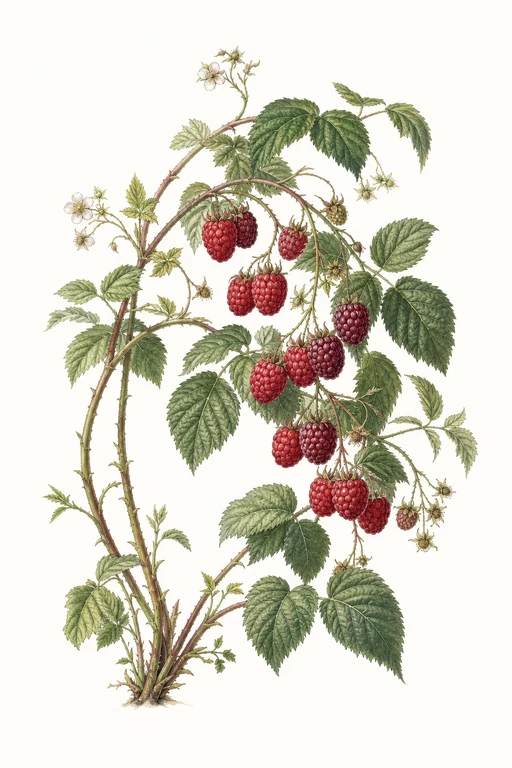
Juicy, bright raspberry flavor bursts with a sweet-tart snap, and Killarney’s berries come on in generous, garden-ready clusters.
The fruit is medium-sized with a tender, succulent texture—ideal for spoonfuls straight from the patch and for turning into vivid preserves, sauces, and desserts. With about 75 days to maturity, Killarney rewards home gardeners with a dependable harvest window and a truly summery, aromatic finish.
Light: Full SunMaturity: 75 DaysHabit: Upright
Planting schedules and alerts are optimized for Columbus (Zone 6b).
Crop Dates
| Milestone | Date |
|---|---|
| Start Indoors | Direct Sow |
| Last Frost | Apr 25th |
| Transplant / Sow Outdoors | Apr 25th |
| Harvest Begins | Jul 9th |
| Harvest Ends | Oct 16th |
Crop Details
| Trait | Value |
|---|---|
| Days to Maturity | 75 |
| Sun Requirements | Full Sun |
| Growth Habit | Upright |
| Support Needed | Cage |
| Planting Depth | Normal |
| Germination Temp (°F) | 70 |
| Min Soil Temp (°F) | 45 |
| Min Night Temp (°F) | 35 |
| Harden Off (days) | 5 |
Culinary Notes

Chef's Note
Killarney raspberries hit with a clean sweet-tart lift and a juicy, delicate texture that doesn’t need armor—eat them straight or let them only lightly reduce so they stay lively instead of going jammy. The aromatic snap also plays beautifully with fat (cream/yogurt) and bitter-sweet (dark chocolate) where the berries’ acidity reads bright, not harsh.

Best Uses
- spoon-eating fresh, where the berries stay tender and glossy
- quick-stirred raspberry sauce (lightly reduced) for pancakes or yogurt
- jam/preserve work where the natural acidity sets up a lively gel
- folding into custards and airy desserts for a tangy, perfumed hit

Flavor Profile

Kitchen Pairings
Frequently Asked Questions
What’s a common pest or disease for Rubus idaeus (raspberry) like ‘Killarney,’ and how can I treat it?
How often should I water Killarney raspberries during the main growing phase?
How do I tell when ‘Killarney’ raspberries are ready to harvest?
Sowing Tips

Transplant Conditions
Wait until soil reaches 45°F and nights stay above 35°F before moving outdoors. Harden off for 5 days first.
Expert Note

Plant raspberries in full sun with good airflow and keep the planting area mulched to suppress weeds and maintain steady moisture.