
King Of The Pippins
Aromas of sweet orchard fruit rise first—then the flavor follows with a crisp, honeyed snap and a bright, gently tart finish.
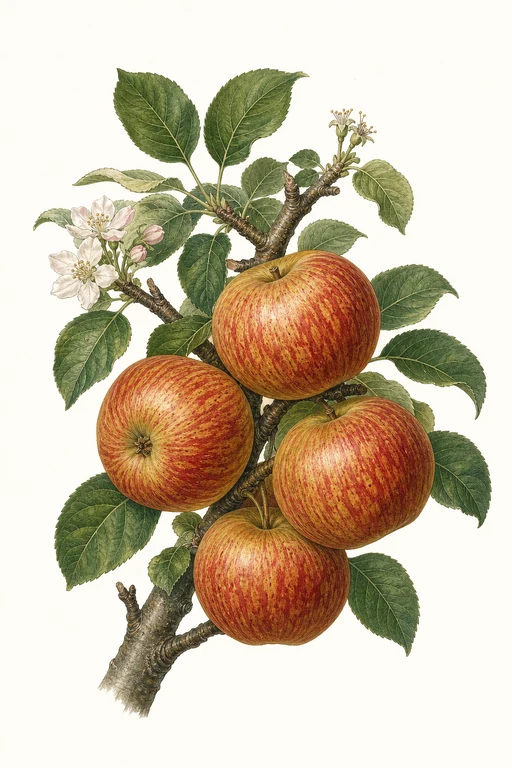
“King Of The Pippins” brings a richly blushed, old-fashioned apple character to the home orchard, with firm flesh that stays satisfyingly crisp from harvest through storage. Ideal for fresh enjoyment and for turning into fragrant preserves, this heirloom is a true centerpiece for gardeners who love classic, dependable tree fruit.
Light: Full SunMaturity: 120 DaysHabit: Shrub
Planting schedules and alerts are optimized for Columbus (Zone 6b).
Crop Dates
| Milestone | Date |
|---|---|
| Start Indoors | Direct Sow |
| Last Frost | Apr 25th |
| Transplant / Sow Outdoors | Apr 25th |
| Harvest Begins | Aug 23rd |
| Harvest Ends | Oct 16th |
Crop Details
| Trait | Value |
|---|---|
| Days to Maturity | 120 |
| Sun Requirements | Full Sun |
| Growth Habit | Shrub |
| Support Needed | None |
| Planting Depth | Normal |
| Germination Temp (°F) | 70 |
| Min Soil Temp (°F) | 45 |
| Min Night Temp (°F) | 20 |
| Harden Off (days) | Not Required |
Culinary Notes

Chef's Note
King Of The Pippins delivers a crisp, honeyed crunch with a tart line that stays lively even when cooked. Choose it when you want apples to keep their structure—slicing cleanly for toast or holding up in a galette and preserves without collapsing into mush.

Best Uses
- thin slices for sharp-cheddar toast (keeps crunch, won’t go mealy)
- fresh eating with cider or dry sparkling wines
- stove-top compote or slow-simmered preserves for clean, fruit-forward flavor
- baked slices in a rustic galette where the apples stay structured

Flavor Profile

Kitchen Pairings
Frequently Asked Questions
What pest or disease most commonly affects Malus domestica (apple “King of the Pippins”), and how can I control it at home?
How often should I water Malus domestica during its main growing phase to keep fruit and shoots developing well?
How do I tell when Malus domestica “King of the Pippins” is ready to harvest at about 120 days?
Sowing Tips

Transplant Conditions
Wait until soil reaches 45°F and nights stay above 20°F before moving outdoors.
Expert Note

Plant grafted apple trees in full sun and prioritize good drainage and air flow to reduce disease pressure.