
Kiwi Gold
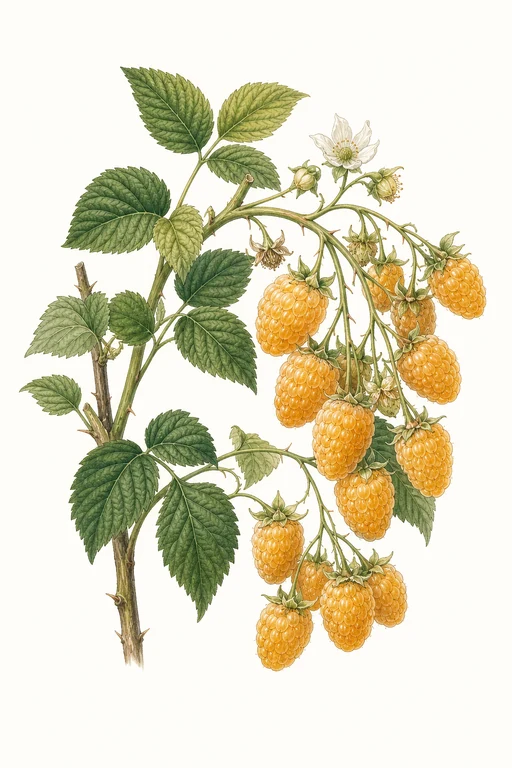
Sunlit and unmistakably sweet, Kiwi Gold brings a golden, honey-amber berry glow that feels like summer captured in velvet.
Each fruit is tender and aromatic, with a delicate raspberry snap and a juicy, bright flavor that shines in fresh bowls and fruit-forward preserves. Grow it for 90 days of rewarding, cane-borne harvest—ideal for gardeners who want a standout, golden alternative to classic red raspberries.
Light: Full SunMaturity: 90 DaysHabit: Upright
Planting schedules and alerts are optimized for Columbus (Zone 6b).
Crop Dates
| Milestone | Date |
|---|---|
| Start Indoors | Direct Sow |
| Last Frost | Apr 25th |
| Transplant / Sow Outdoors | Apr 25th |
| Harvest Begins | Jul 24th |
| Harvest Ends | Oct 16th |
Crop Details
| Trait | Value |
|---|---|
| Days to Maturity | 90 |
| Sun Requirements | Full Sun |
| Growth Habit | Upright |
| Support Needed | Trellis |
| Planting Depth | Normal |
| Germination Temp (°F) | 70 |
| Min Soil Temp (°F) | 50 |
| Min Night Temp (°F) | 35 |
| Harden Off (days) | Not Required |
Culinary Notes

Chef's Note
Kiwi Gold’s golden berries hit sweet first, then a clean, light raspberry tang that stays lively instead of turning syrupy. Use it where you want aroma and juiciness to show—macerate briefly or fold into dairy—so the delicate snap doesn’t get lost to prolonged cooking.

Best Uses
- fresh bowls with minimal fuss—berries + a spoonable dollop of cream
- quick maceration for a spoonable topping over cheesecake or yogurt
- fruit-forward preserves where you want the seeds/jam texture without heavy sweetness
- folding into custards and panna cotta for a clean, floral finish

Flavor Profile

Kitchen Pairings
Frequently Asked Questions
What pest or disease commonly affects Rubus idaeus (raspberry) like Kiwi Gold, and how can I control it?
How often should I water Kiwi Gold (Rubus idaeus) during the main growing phase?
How do I know when to harvest Kiwi Gold?
Sowing Tips

Transplant Conditions
Wait until soil reaches 50°F and nights stay above 35°F before moving outdoors.
Expert Note

Plant yellow raspberries in full sun with well-drained soil, keeping canes supported and avoiding waterlogged ground to prevent crown/ cane rot.