
Kobon
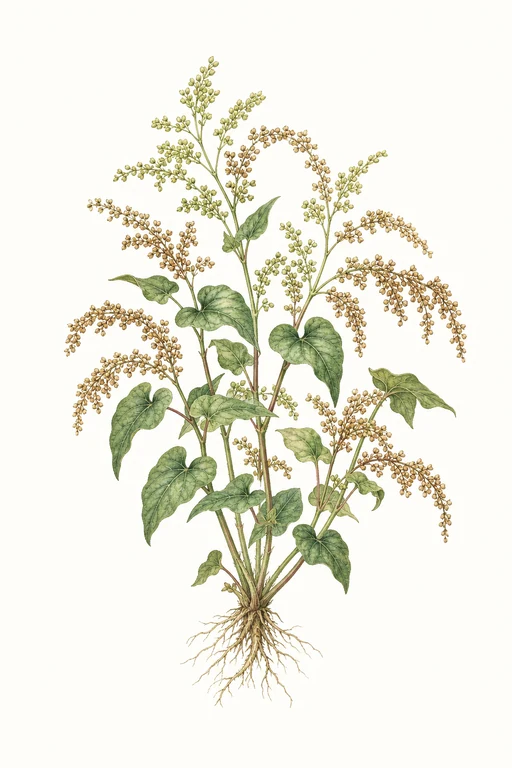
A fragrant, honeyed green carpet at first glance, Kobon buckwheat matures in just 35 days to a dense stand that feels alive with fine, airy movement.
The grain kernels develop with a clean, nutty depth—ideal for grinding into wholesome flour and for sprouting when you want a bright, earthy bite. Grow Kobon for its quick, reliable cover and its richly flavored seed harvest potential, season after season.
Light: Full SunMaturity: 35 DaysHabit: Upright
Planting schedules and alerts are optimized for Columbus (Zone 6b).
Crop Dates
| Milestone | Date |
|---|---|
| Start Indoors | Direct Sow |
| Last Frost | Apr 25th |
| Transplant / Sow Outdoors | Apr 25th |
| Harvest Begins | May 30th |
| Harvest Ends | Oct 16th |
Crop Details
| Trait | Value |
|---|---|
| Days to Maturity | 35 |
| Sun Requirements | Full Sun |
| Growth Habit | Upright |
| Support Needed | None |
| Planting Depth | Surface |
| Germination Temp (°F) | 70 |
| Min Soil Temp (°F) | 55 |
| Min Night Temp (°F) | 40 |
| Harden Off (days) | Not Required |
Culinary Notes

Chef's Note
Kobon buckwheat leans fragrant and honeyed at the start, then settles into a nutty, faintly bitter warmth once you toast or grind it—great for batters and browning. It’s built to give you that pleasantly earthy bite without tasting flat, especially when you lean on butter, dairy, mushrooms, or sharp acid.

Best Uses
- grinding into hearty buckwheat flour for pancakes and galettes
- toasting then simmering into quick, rustic groats with a nutty finish
- sprouting for a bright, earthy crunch in salads and grain bowls
- using as a base flour blend where you want structure without wheat

Flavor Profile

Kitchen Pairings
Frequently Asked Questions
What pest or disease most commonly affects common buckwheat (Fagopyrum esculentum), and what should I do?
How often should I water common buckwheat during its main growing phase?
How can I tell when common buckwheat (Fagopyrum esculentum) is ready to harvest?
Sowing Tips

Transplant Conditions
Wait until soil reaches 55°F and nights stay above 40°F before moving outdoors.
Expert Note

Sow Kobon buckwheat as a quick cover crop—keep the surface evenly moist until emergence, then let it grow fast to build biomass before incorporation.