
Koto
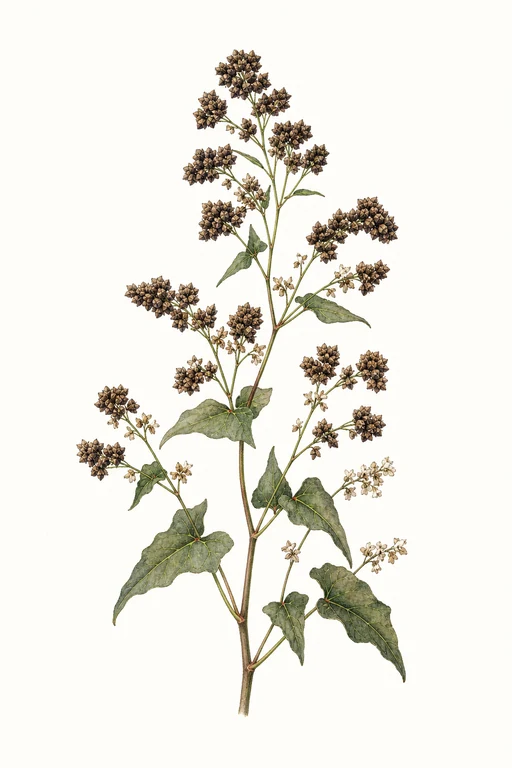
Koto buckwheat arrives with a softly aromatic, nutty character and a clean, earthy finish that feels both comforting and lively.
The grains develop with a pleasing, dry snap and a fine, even texture, making them a dependable choice for everyday grain use and hearty pantry staples. Grow Koto for a reliable 70-day rhythm and a crop that rewards attention from sowing through harvest with its distinctive, warm-toned presence.
Light: Full SunMaturity: 70 DaysHabit: Upright
Planting schedules and alerts are optimized for Columbus (Zone 6b).
Crop Dates
| Milestone | Date |
|---|---|
| Start Indoors | Direct Sow |
| Last Frost | Apr 25th |
| Transplant / Sow Outdoors | Apr 25th |
| Harvest Begins | Jul 4th |
| Harvest Ends | Oct 16th |
Crop Details
| Trait | Value |
|---|---|
| Days to Maturity | 70 |
| Sun Requirements | Full Sun |
| Growth Habit | Upright |
| Support Needed | None |
| Planting Depth | Normal |
| Germination Temp (°F) | 60 |
| Min Soil Temp (°F) | 50 |
| Min Night Temp (°F) | 28 |
| Harden Off (days) | Not Required |
Culinary Notes

Chef's Note
Koto’s nutty, aromatically clean buckwheat keeps its dry snap instead of turning gummy, so it shines where you want definition—grain bowls, salads, and toasty groats. Pair it with tang (vinegar/cider) and savory depth (mushrooms, duck, brown butter) to sharpen the earthy finish.

Best Uses
- toasted buckwheat groats for warm, bouncy grain bowls
- cool-snap salads with a light vinaigrette and fresh herbs
- savory pancakes/blini style batter (using buckwheat flour)
- roasting and simmering into pilaf-like grains with stock for a nutty, dry-chew base

Flavor Profile

Kitchen Pairings
Frequently Asked Questions
What pests or diseases commonly affect buckwheat (Fagopyrum esculentum), and what should I do?
How often should I water buckwheat during the main growing phase, and what soil moisture level is best?
How can I tell when buckwheat (Fagopyrum esculentum) is ready to harvest after about 70 days?
Sowing Tips

Transplant Conditions
Wait until soil reaches 50°F and nights stay above 28°F before moving outdoors.
Expert Note

Direct-sow Koto buckwheat after the soil is warm enough and keep moisture steady early, since buckwheat does not transplant well.