
La France
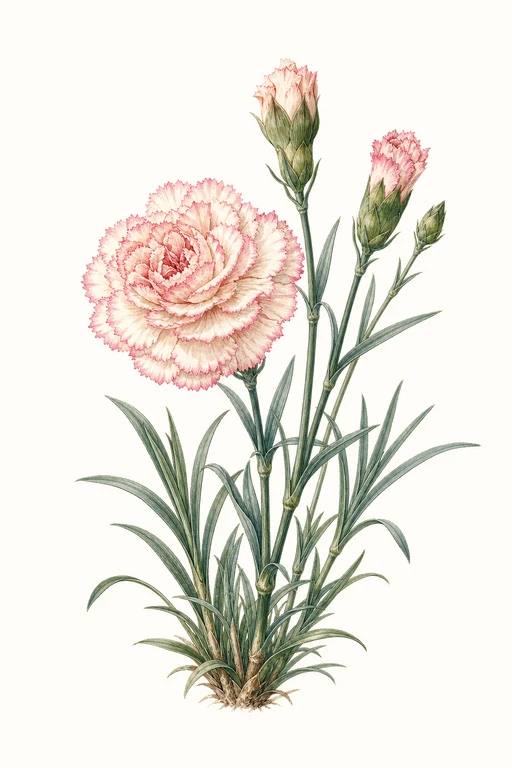
Fragrant, ruffled blooms in La France arrive like a soft sunrise—velvety petals edged in delicate contrast, opening in generous, layered rosettes that perfume the garden from morning to dusk.
Expect a refined, satin-smooth texture with a lively, slightly crisp petal frill, carried on sturdy stems that hold their form beautifully in the landscape. Grow La France for long-lasting cut-flower presence and a classic cottage-garden showpiece that returns year after year where winters are kind.
Light: Full SunMaturity: 120 DaysHabit: Clumping
Planting schedules and alerts are optimized for Columbus (Zone 6b).
Crop Dates
| Milestone | Date |
|---|---|
| Start Indoors | Mar 14th |
| Last Frost | Apr 25th |
| Transplant / Sow Outdoors | Jun 20th |
| Harvest Begins | Oct 18th |
| Harvest Ends | Oct 16th |
Crop Details
| Trait | Value |
|---|---|
| Days to Maturity | 120 |
| Sun Requirements | Full Sun |
| Growth Habit | Clumping |
| Support Needed | None |
| Planting Depth | Normal |
| Germination Temp (°F) | 65 |
| Min Soil Temp (°F) | 50 |
| Min Night Temp (°F) | 40 |
| Harden Off (days) | 7 |
Culinary Notes

Chef's Note
La France carnation petals bring a perfumed, clove-tinged floral character and a little petal snap—so you want them added cool or held back for the final plating. Their satin rosette texture treats you better than a flat, mass-flower bloom: think sugar-macerated petals, lightly infused syrups, or a last-second garnish over creamy bases.

Best Uses
- crisping into chilled salads as a brief, cold garnish that stays elegant
- folding petals into simple syrups or macerating in sugar for perfumed sweetness
- topping panna cotta, yogurt, or gelato for a satin mouthfeel and aromatics
- infusing into light vinegars or tea-toned drinks for a delicate floral lift

Flavor Profile

Kitchen Pairings
Frequently Asked Questions
What pest or disease is most likely to affect Dianthus caryophyllus (La France), and what should I do?
How often should I water La France dianthus during active growth, and what soil moisture level should I aim for?
How can I tell when La France dianthus is ready to harvest?
Sowing Tips

Transplant Conditions
Wait until soil reaches 50°F and nights stay above 40°F before moving outdoors. Harden off for 7 days first.
Expert Note

For strongest blooms and longevity, keep plants on the dry side and give excellent drainage (crown rot is the main killer).