
Large Leaf Sorrel
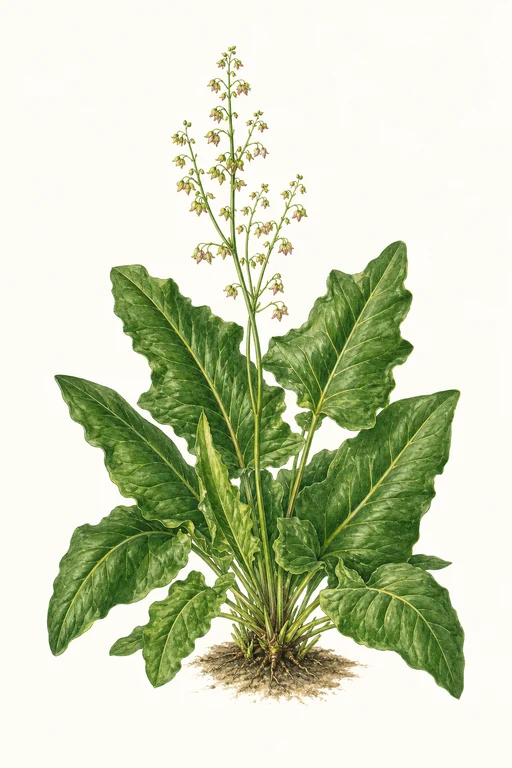
Unfurl tender, arrow-bright leaves with a vivid, lemony tang that lifts every bite—Large Leaf Sorrel is prized for its generous foliage and clean, refreshing flavor.
Expect a soft, supple texture with a crisp midrib and a pleasantly tart finish that holds its character in salads, spring sautés, and velvety sauces. A perennial favorite for gardeners who want reliable harvests year after year, with bold, leafy vigor in just about 45 days to first pick.
Light: Part SunMaturity: 45 DaysHabit: Rosette
Planting schedules and alerts are optimized for Columbus (Zone 6b).
Crop Dates
| Milestone | Date |
|---|---|
| Start Indoors | Direct Sow |
| Last Frost | Apr 25th |
| Transplant / Sow Outdoors | Apr 25th |
| Harvest Begins | Jun 9th |
| Harvest Ends | Oct 16th |
Crop Details
| Trait | Value |
|---|---|
| Days to Maturity | 45 |
| Sun Requirements | Part Sun |
| Growth Habit | Rosette |
| Support Needed | None |
| Planting Depth | Normal |
| Germination Temp (°F) | 60 |
| Min Soil Temp (°F) | 40 |
| Min Night Temp (°F) | 28 |
| Harden Off (days) | 5 |
Culinary Notes

Chef's Note
Large Leaf Sorrel brings a sharper, more citrus-edged tartness than most greens, and its big leaves give you volume without turning limp. Use it late—heat gently and short—so it keeps that lemony snap and doesn’t dull into a flat sour.

Best Uses
- shaved or torn spring salads where it stays snappy under light vinaigrette
- quick butter-and-sorrel sautés to keep the tang vivid
- silky sorrel sauces (warm through, never boiled hard) for eggs and fish
- stirred into soups or stocks at the end to preserve color and bite

Flavor Profile

Kitchen Pairings
Frequently Asked Questions
What pest or disease commonly affects Rumex acetosa (large leaf sorrel), and what should I do if I see it?
How often should I water Rumex acetosa during its main growing phase?
How can I tell when Rumex acetosa is ready to harvest?
Sowing Tips

Transplant Conditions
Wait until soil reaches 40°F and nights stay above 28°F before moving outdoors. Harden off for 5 days first.
Expert Note

For best flavor, sow early and keep plants evenly moist—sorrel can get tangier (and tougher) when it runs hot or dry.