
Leaf Shungiku
Fragrant, meadow-bright leaves unfurl with a crisp, tender snap and a pleasantly peppery, slightly nutty edge—Leaf Shungiku is a delight from the first harvest.
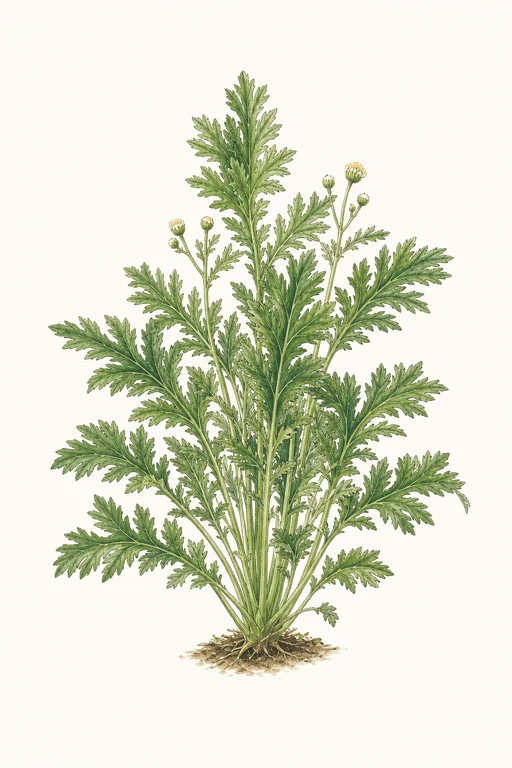
The foliage forms a lively rosette and keeps producing succulent greens, ideal for quick stir-fry favorites, silky sauces, and vibrant additions to soups and noodle bowls. Grow it for its fresh, aromatic character and the way its leaves stay pleasantly tender as the season moves on.
Light: Part SunMaturity: 45 DaysHabit: Rosette
Planting schedules and alerts are optimized for Columbus (Zone 6b).
Crop Dates
| Milestone | Date |
|---|---|
| Start Indoors | Direct Sow |
| Last Frost | Apr 25th |
| Transplant / Sow Outdoors | Apr 25th |
| Harvest Begins | Jun 9th |
| Harvest Ends | Oct 16th |
Crop Details
| Trait | Value |
|---|---|
| Days to Maturity | 45 |
| Sun Requirements | Part Sun |
| Growth Habit | Rosette |
| Support Needed | None |
| Planting Depth | Surface |
| Germination Temp (°F) | 70 |
| Min Soil Temp (°F) | 40 |
| Min Night Temp (°F) | 35 |
| Harden Off (days) | Not Required |
Culinary Notes

Chef's Note
Leaf Shungiku’s pepper-nut profile and crisp-tender leaf texture are at their best when you cook it fast—think last-minute stir-fry or end-of-pot into broth—so it stays snappy instead of going soft. It loves sesame and soy, where the aromatic, meadow-bright character comes forward.

Best Uses
- quick stir-fry with high heat so the leaves keep their snap
- toss into noodle soups at the end for a fragrant, lightly spicy green
- blend into silky sesame-based sauces for a peppery-green lift
- serve blanched and shocked, then dress with vinegar to keep the texture lively

Flavor Profile

Kitchen Pairings
Frequently Asked Questions
Why are my Glebionis coronaria (leaf shungiku) leaves developing white powder or gray spots, and what should I do?
How often should I water leaf shungiku during its main growth, and what soil moisture level should I aim for?
How can I tell when Glebionis coronaria is ready to harvest?
Sowing Tips

Transplant Conditions
Wait until soil reaches 40°F and nights stay above 35°F before moving outdoors.
Expert Note

For the best tender texture, keep growth cool (avoid heat spells) and harvest leaves frequently to encourage new shoots.