
Legacy
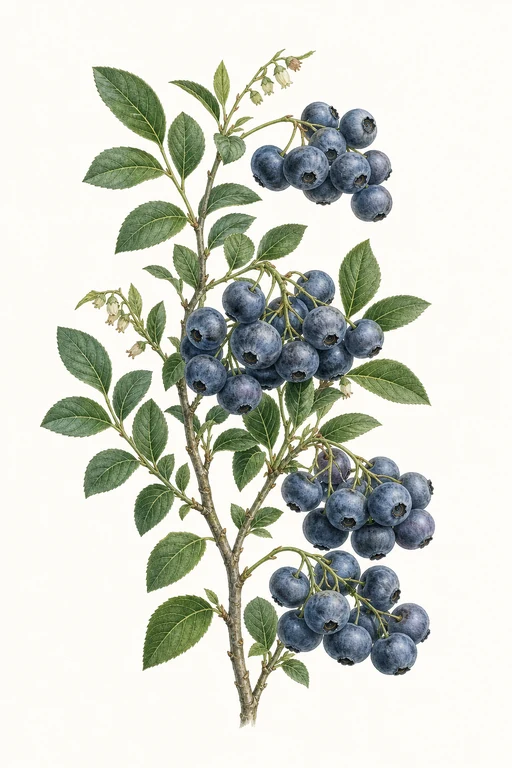
Bursting with a velvety, dusk-blue bloom, Legacy blueberry brings a sweet-tart perfume to the garden with berries that feel plump and springy at first touch.
Expect a rich, juicy bite and a smooth, medium-firm texture that shines in fresh handfuls and turns beautifully into vibrant sauces, jams, and preserves. With about 60 days to maturity, this dependable performer rewards the home grower quickly—ideal for planting with confidence and harvesting with pride.
Light: Full SunMaturity: 60 DaysHabit: Shrub
Planting schedules and alerts are optimized for Columbus (Zone 6b).
Crop Dates
| Milestone | Date |
|---|---|
| Start Indoors | Direct Sow |
| Last Frost | Apr 25th |
| Transplant / Sow Outdoors | Apr 25th |
| Harvest Begins | Jun 24th |
| Harvest Ends | Oct 16th |
Crop Details
| Trait | Value |
|---|---|
| Days to Maturity | 60 |
| Sun Requirements | Full Sun |
| Growth Habit | Shrub |
| Support Needed | None |
| Planting Depth | Normal |
| Germination Temp (°F) | 70 |
| Min Soil Temp (°F) | 40 |
| Min Night Temp (°F) | 28 |
| Harden Off (days) | Not Required |
Culinary Notes

Chef's Note
Legacy blueberries are built for a juicy, spoon-ready bite: sweet-tart and springy, so they stay intact in heat and in the pot. When reduced, they turn into a glossy, perfumed sauce that clings to dairy and bread rather than thinning out.

Best Uses
- fresh eating when chilled—its springy skins won’t go mushy too fast
- quick stovetop sauce for pancakes, yogurt, or cheesecake—reduce until glossy and spoon-coating
- jam/preserve where the fruit’s smooth firmness helps set without tasting watery
- baking in pies or galettes—holds a juicy center without collapsing into a leak-prone filling

Flavor Profile

Kitchen Pairings
Frequently Asked Questions
What pest or disease commonly affects highbush blueberry (Vaccinium corymbosum), and how can I control it?
How often should I water highbush blueberry during active growth, and what soil moisture level should I aim for?
How do I tell when Vaccinium corymbosum is ready to harvest?
Sowing Tips

Transplant Conditions
Wait until soil reaches 40°F and nights stay above 28°F before moving outdoors.
Expert Note

For highbush blueberries, prioritize acidic soil (pH ~4.5–5.5) and consistent moisture; plant in full sun for best late-season yields.