
Lemon Bush
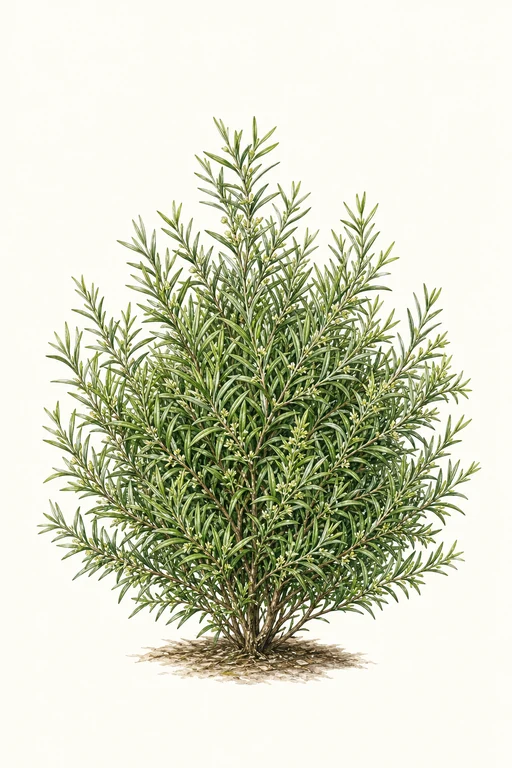
Sunlit, lemony fragrance rises from every leaf of Lemon Bush—an evergreen with a bright, citrus snap that lingers in the air like freshly cut zest.
The foliage is fine-textured and gracefully arching, forming a dense, rounded presence that feels soft to the eye while remaining boldly aromatic. Ideal for landscape planting, it’s prized for year-round greenery and a signature scent that makes outdoor spaces feel instantly invigorated.
Light: Full SunMaturity: 120 DaysHabit: Shrub
Planting schedules and alerts are optimized for Columbus (Zone 6b).
Crop Dates
| Milestone | Date |
|---|---|
| Start Indoors | Direct Sow |
| Last Frost | Apr 25th |
| Transplant / Sow Outdoors | Jun 20th |
| Harvest Begins | Oct 18th |
| Harvest Ends | Oct 16th |
Crop Details
| Trait | Value |
|---|---|
| Days to Maturity | 120 |
| Sun Requirements | Full Sun |
| Growth Habit | Shrub |
| Support Needed | None |
| Planting Depth | Normal |
| Germination Temp (°F) | 70 |
| Min Soil Temp (°F) | 60 |
| Min Night Temp (°F) | 40 |
| Harden Off (days) | 7 |
Culinary Notes

Chef's Note
Lemon Scented Gum reads more like zesty perfume than fresh lemon juice—steep gently or use in short infusions so the cooling, eucalyptus-tinged edge stays clean. A little goes a long way: treat it like zest plus a whisper of camphor, not like a citrus fruit.

Best Uses
- infuse into syrups or honey for a lemon-gum perfume
- brew into tea or steep in hot water for a citrusy, resinous cup
- use as a fragrant garnish in drinks—especially sparkling and iced preparations
- fold into marinades for poultry or fish where the aroma can stay front-of-mind

Flavor Profile

Kitchen Pairings
Frequently Asked Questions
What pests or diseases commonly affect lemon-scented eucalyptus (Eucalyptus citriodora), and how do I treat them?
During the main growing phase, how often should I water Eucalyptus citriodora and what soil moisture level should I aim for?
How can I tell when Eucalyptus citriodora is ready to harvest (leaves or branches)?
Sowing Tips

Transplant Conditions
Wait until soil reaches 60°F and nights stay above 40°F before moving outdoors. Harden off for 7 days first.
Expert Note

Start with strong, healthy nursery stock if you want faster establishment, and plant in well-drained soil where winter lows won’t repeatedly drop below the plant’s tolerance for long periods.