
Lexton
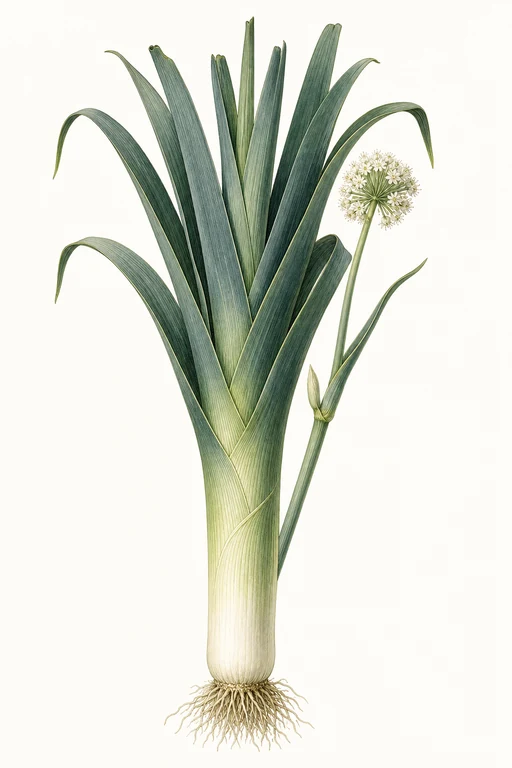
Sweet and quietly bold, Lexton leeks develop a tender, mellow flavor with a clean, green-sweet aroma and a lush, buttery bite.
At maturity, the shanks are impressively full and upright, with crisp, fine-textured inner layers that hold their character beautifully for fresh use and elegant roasting. Grow Lexton for a garden-to-table staple that turns cool-season harvests into a steady, satisfying rhythm—ideal for soups, gratins, and savory sauces, as well as pickling for a bright, allium-forward accent.
Light: Full SunMaturity: 90 DaysHabit: Upright
Location not set yet
Location not set yet
Enter your ZIP for local crop dates
Lexton Planting Dates by USDA Zone
Estimated US hardiness-zone windows for sow, transplant, and harvest. Enter a US ZIP above for exact local dates, or open a zone below.
| Zone | Start Indoors | Sow / Transplant | Harvest |
|---|---|---|---|
| Zone 1a | Protected Environment Only | ||
| Zone 1b | Protected Environment Only | ||
| Zone 2a | Mar 16th | May 18th | Aug 16th – Aug 29th |
| Zone 2b | Mar 6th | May 8th | Aug 6th – Aug 25th |
| Zone 3a | Mar 6th | May 8th | Aug 6th – Sep 1st |
| Zone 3b | Mar 10th | May 12th | Aug 10th – Sep 21st |
| Zone 4a | Mar 6th | May 8th | Aug 6th – Sep 24th |
| Zone 4b | Mar 4th | May 6th | Aug 4th – Sep 27th |
| Zone 5a | Feb 27th | May 1st | Jul 30th – Sep 30th |
| Zone 5b | Feb 23rd | Apr 27th | Jul 26th – Oct 5th |
| Zone 6a | Feb 20th | Apr 24th | Jul 23rd – Oct 10th |
| Zone 6b | Feb 14th | Apr 18th | Jul 17th – Oct 16th |
| Zone 7a | Feb 9th | Apr 13th | Jul 12th – Oct 20th |
| Zone 7b | Jan 30th | Apr 3rd | Jul 2nd – Oct 28th |
| Zone 8a | Jan 21st | Mar 25th | Jun 23rd – Nov 5th |
| Zone 8b | Jan 12th | Mar 16th | Jun 14th – Nov 12th |
| Zone 9a | Dec 26th | Feb 27th | May 28th – Nov 26th |
| Zone 9b | Dec 1st | Feb 2nd | May 3rd – Dec 9th |
| Zone 10a | — | Oct 1st | Dec 30th – Feb 28th |
| Zone 10b | — | Oct 1st | Dec 30th – Feb 28th |
| Zone 11a | — | Oct 1st | Dec 30th – Feb 28th |
| Zone 11b | — | Oct 1st | Dec 30th – Feb 28th |
| Zone 12a | — | Oct 1st | Dec 30th – Feb 28th |
| Zone 12b | — | Oct 1st | Dec 30th – Feb 28th |
| Zone 13a | — | Oct 1st | Dec 30th – Feb 28th |
| Zone 13b | — | Oct 1st | Dec 30th – Feb 28th |
Crop Details
| Trait | Value |
|---|---|
| Days to Maturity | 90 |
| Sun Requirements | Full Sun |
| Growth Habit | Upright |
| Support Needed | None |
| Planting Depth | Normal |
| Germination Temp (°F) | 70 |
| Min Soil Temp (°F) | 40 |
| Min Night Temp (°F) | 28 |
| Harden Off (days) | 6 |
Culinary Notes

Chef's Note
Lexton’s full, upright shanks and fine inner texture mean it cooks up silky without turning to mush—great for dishes where you want distinct layers, not collapse. The mellow green sweetness lets it play well with dairy and smoked fish, and it holds up beautifully to roasting and gentle pickling.

Best Uses
- buttery leek-and-cream gratin where the layers stay intact
- slow-simmered leek soup or stock for a clean, sweet finish
- pan-roasting (or oven-roasting) until edges bronze while centers stay tender
- pickling for a bright, allium-forward crunch

Flavor Profile

Kitchen Pairings
Frequently Asked Questions
What pest or disease most commonly affects Allium porrum (leek), and how do I treat it at home?
How often should I water Allium porrum during the main growing phase, and what soil moisture level should I aim for?
How can I tell when Allium porrum is ready to harvest?
Sowing Tips

Transplant Conditions
Wait until soil reaches 40°F and nights stay above 28°F before moving outdoors. Harden off for 6 days first.
Expert Note

Start leeks indoors early (they’re slow), then transplant once nights are reliably above freezing and keep seedlings well-watered to drive thick white shafts.