
Liberty
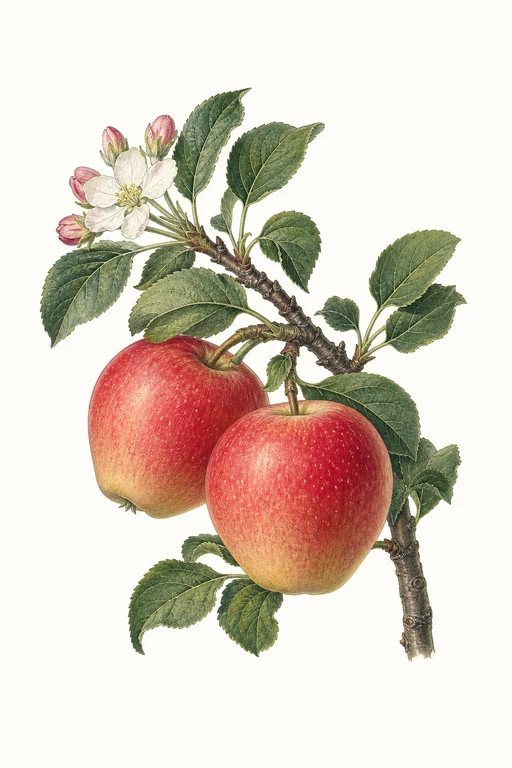
Crisp as a fresh snowfall, Liberty apples open with a bright, juicy snap and a sweet-tart lift that lingers pleasantly on the palate.
At maturity, the fruit’s skin carries a lively blush over a warm, pale ground, with a fine, natural sheen that makes each apple feel like a small jewel in the basket. Grow Liberty for reliable, home-harvest flavor—ideal for fresh enjoyment and for turning into fragrant preserves and tangy sauces that showcase its balanced character.
Light: Full SunMaturity: 120 DaysHabit: Shrub
Planting schedules and alerts are optimized for Columbus (Zone 6b).
Crop Dates
| Milestone | Date |
|---|---|
| Start Indoors | Direct Sow |
| Last Frost | Apr 25th |
| Transplant / Sow Outdoors | Apr 25th |
| Harvest Begins | Aug 23rd |
| Harvest Ends | Oct 16th |
Crop Details
| Trait | Value |
|---|---|
| Days to Maturity | 120 |
| Sun Requirements | Full Sun |
| Growth Habit | Shrub |
| Support Needed | None |
| Planting Depth | Normal |
| Germination Temp (°F) | 70 |
| Min Soil Temp (°F) | 50 |
| Min Night Temp (°F) | 35 |
| Harden Off (days) | Not Required |
Culinary Notes

Chef's Note
Liberty’s clean sweet-tart balance and high crunch make it a standout for eating out of hand—thin slices won’t feel mealy or watery. In the pan or pot it keeps its structure long enough to go glossy, giving your sauce or preserves a lively, cider-like finish.

Best Uses
- fresh eating—thin slices that stay crisp under a squeeze of lemon
- spoonable preserves where the tart edge keeps the sugar from going flat
- tangy apple sauce that stays bright rather than dull
- quick sautéed apple wedges for pork or poultry—hold shape, then turn glossy

Flavor Profile

Kitchen Pairings
Frequently Asked Questions
What pest or disease most commonly affects Malus domestica (apple) and how do I control it at home?
How often should I water Malus domestica during the main growing phase?
How can I tell when Malus domestica 'Liberty' is ready to harvest?
Sowing Tips

Transplant Conditions
Wait until soil reaches 50°F and nights stay above 35°F before moving outdoors.
Expert Note

Plant disease-resistant apples in full sun with good airflow, and plan for at least one compatible pollinator variety if you don’t have crabapple/another apple already nearby.