
Lingua Di Fuoco
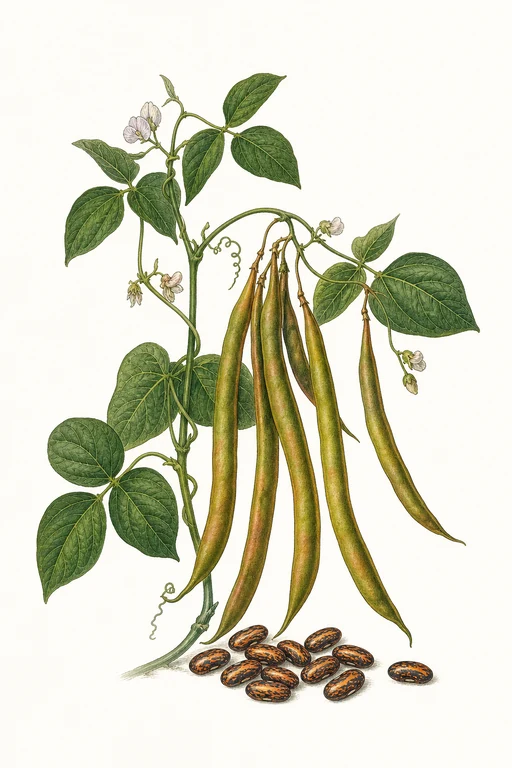
Savory-sweet and boldly aromatic, Lingua Di Fuoco dry beans bring a warm, fire-kissed depth to the pot—each bean holds its shape with a hearty, creamy tenderness once rehydrated.
The flavor reads rich and earthy with a gentle sweetness, while the texture stays satisfyingly firm, then turns luxuriously soft for long-simmered favorites. Grow Lingua Di Fuoco for a dependable, warm-season harvest of dry beans that feel as striking in the pantry as they do in the garden.
Light: Full SunMaturity: 100 DaysHabit: Bush
Planting schedules and alerts are optimized for Columbus (Zone 6b).
Crop Dates
| Milestone | Date |
|---|---|
| Start Indoors | Direct Sow |
| Last Frost | Apr 25th |
| Transplant / Sow Outdoors | Apr 25th |
| Harvest Begins | Aug 3rd |
| Harvest Ends | Oct 16th |
Crop Details
| Trait | Value |
|---|---|
| Days to Maturity | 100 |
| Sun Requirements | Full Sun |
| Growth Habit | Bush |
| Support Needed | None |
| Planting Depth | Normal |
| Germination Temp (°F) | 75 |
| Min Soil Temp (°F) | 60 |
| Min Night Temp (°F) | 50 |
| Harden Off (days) | Not Required |
Culinary Notes

Chef's Note
Lingua Di Fuoco rehydrates into beans that keep their shape at the start, then go silky-soft in the back half of a long simmer—ideal when you want structure plus spoonable creaminess. Choose it when you’re building a pot of smoky, savory-sweet comfort where the aromatics actually cling to the beans.

Best Uses
- long-simmered beans in chili or chile-crisp style pot liquor
- slow-cooked bean ragù with tomato and aromatics
- thick, mashable bean purée for spreads and bowls
- brothy bean soups where the skins hold shape and texture

Flavor Profile

Kitchen Pairings
Frequently Asked Questions
What’s the most common disease issue for Phaseolus vulgaris (bush beans) like “Lingua Di Fuoco,” and how do I treat it?
How often should I water Phaseolus vulgaris during the main growing phase to keep pods forming?
How can I tell when “Lingua Di Fuoco” bush beans are ready to harvest?
Sowing Tips

Transplant Conditions
Wait until soil reaches 60°F and nights stay above 50°F before moving outdoors.
Expert Note

Soak seeds overnight and plant into warm soil after frost—dry beans dislike cold and transplanting can damage roots.