
Lutz Green Leaf
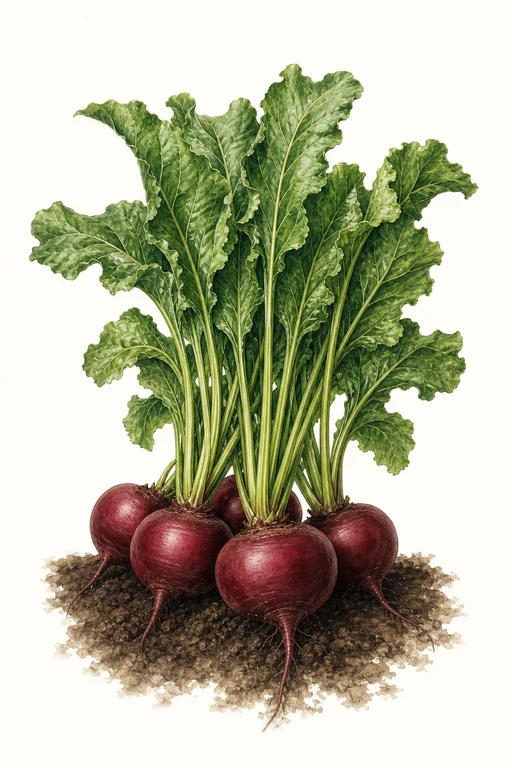
Sweetly earthy and richly colored, Lutz Green Leaf beets bring a deep, velvety red interior under a crown of crisp, emerald foliage.
The roots develop a smooth, tender texture with a classic round-to-globed shape that stays pleasantly uniform from garden to harvest. Grow them for bold, jewel-toned results in roasted trays, vibrant fresh salads, and striking pickled slices that hold their color beautifully.
Light: Full SunMaturity: 60 DaysHabit: Rosette
Location not set yet
Location not set yet
Enter your ZIP for local crop dates
Lutz Green Leaf Planting Dates by USDA Zone
Estimated US hardiness-zone windows for sow, transplant, and harvest. Enter a US ZIP above for exact local dates, or open a zone below.
| Zone | Start Indoors | Sow / Transplant | Harvest |
|---|---|---|---|
| Zone 1a | Protected Environment Only | ||
| Zone 1b | Direct Sow | Jun 1st | Jul 31st – Aug 1st |
| Zone 2a | Direct Sow | May 25th | Jul 24th – Aug 29th |
| Zone 2b | Direct Sow | May 15th | Jul 14th – Aug 25th |
| Zone 3a | Direct Sow | May 15th | Jul 14th – Sep 1st |
| Zone 3b | Direct Sow | May 19th | Jul 18th – Sep 21st |
| Zone 4a | Direct Sow | May 15th | Jul 14th – Sep 24th |
| Zone 4b | Direct Sow | May 13th | Jul 12th – Sep 27th |
| Zone 5a | Direct Sow | May 8th | Jul 7th – Sep 30th |
| Zone 5b | Direct Sow | May 4th | Jul 3rd – Oct 5th |
| Zone 6a | Direct Sow | May 1st | Jun 30th – Oct 10th |
| Zone 6b | Direct Sow | Apr 25th | Jun 24th – Oct 16th |
| Zone 7a | Direct Sow | Apr 20th | Jun 19th – Oct 20th |
| Zone 7b | Direct Sow | Apr 10th | Jun 9th – Oct 28th |
| Zone 8a | Direct Sow | Apr 1st | May 31st – Nov 5th |
| Zone 8b | Direct Sow | Mar 23rd | May 22nd – Nov 12th |
| Zone 9a | Direct Sow | Mar 6th | May 5th – Nov 26th |
| Zone 9b | Direct Sow | Feb 9th | Apr 10th – Dec 9th |
| Zone 10a | — | Oct 1st | Nov 30th – Feb 28th |
| Zone 10b | — | Oct 1st | Nov 30th – Feb 28th |
| Zone 11a | — | Oct 1st | Nov 30th – Feb 28th |
| Zone 11b | — | Oct 1st | Nov 30th – Feb 28th |
| Zone 12a | — | Oct 1st | Nov 30th – Feb 28th |
| Zone 12b | — | Oct 1st | Nov 30th – Feb 28th |
| Zone 13a | — | Oct 1st | Nov 30th – Feb 28th |
| Zone 13b | — | Oct 1st | Nov 30th – Feb 28th |
Crop Details
| Trait | Value |
|---|---|
| Days to Maturity | 60 |
| Sun Requirements | Full Sun |
| Growth Habit | Rosette |
| Support Needed | None |
| Planting Depth | Normal |
| Germination Temp (°F) | 50 |
| Min Soil Temp (°F) | 40 |
| Min Night Temp (°F) | 28 |
| Harden Off (days) | Not Required |
Culinary Notes

Chef's Note
Lutz Green Leaf is built for that classic beet satisfaction: sweet-earthy flavor with a tender, uniform core that roasts up silky instead of woody. Pair the vivid root with tangy fat (crème fraîche) or lactic cheese, and let acid and dill sharpen the finish without drowning the earth.

Best Uses
- hot-roasted beet trays where they stay evenly tender
- vibrant fresh beet salads where slices keep their color and texture
- quick-pickled rounds for jewel-bright color retention
- beet-and-greens sautés or braises for a two-texture plate

Flavor Profile

Kitchen Pairings
Frequently Asked Questions
What’s the most common disease problem for beet (Beta vulgaris subsp. vulgaris), and how do I treat it?
How often should I water beets during the main growing phase (around the first 6–8 weeks)?
How can I tell when my beets (Beta vulgaris subsp. vulgaris) are ready to harvest?
Sowing Tips

Transplant Conditions
Wait until soil reaches 40°F and nights stay above 28°F before moving outdoors.
Expert Note

Sow beet seeds directly in cool soil and keep the bed consistently moist; thin early to avoid misshapen roots and to promote tender greens.