
MacDonald
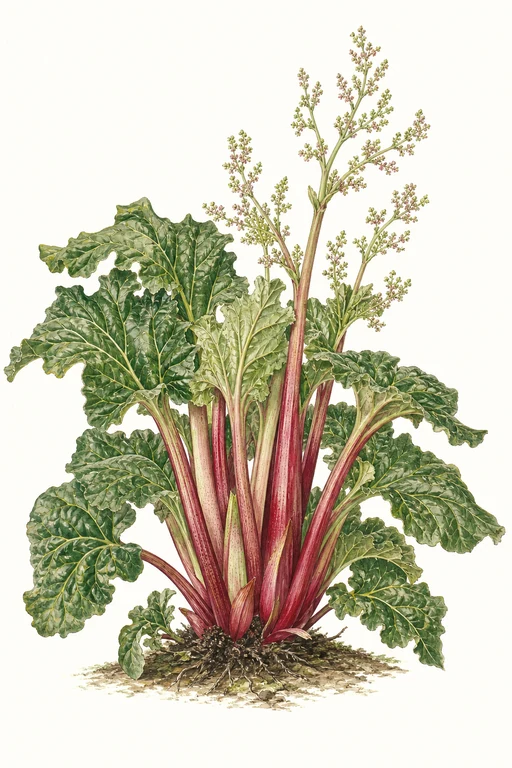
Sink your spoon into MacDonald rhubarb for a bright, tart snap followed by a clean, juicy sweetness that lingers on the palate.
Stalks are richly colored—deep rose to cranberry at the surface with a tender, crisp interior—ideal for turning simple harvests into vivid, rosy results. Grow MacDonald for dependable, full-season performance and a garden-to-table centerpiece that looks as good as it tastes.
Light: Full SunMaturity: 365 DaysHabit: Perennial_Crown
Planting schedules and alerts are optimized for Columbus (Zone 6b).
Crop Dates
| Milestone | Date |
|---|---|
| Last Frost | Apr 25th |
| Growing Approach | Protected Environment Only |
Crop Details
| Trait | Value |
|---|---|
| Days to Maturity | 365 |
| Sun Requirements | Full Sun |
| Growth Habit | Perennial_Crown |
| Support Needed | None |
| Planting Depth | Normal |
| Germination Temp (°F) | 70 |
| Min Soil Temp (°F) | 40 |
| Min Night Temp (°F) | 35 |
| Harden Off (days) | 5 |
Culinary Notes

Chef's Note
MacDonald rhubarb brings a crisp bite and a high-torque tartness that stays lively through a quick simmer, so it doesn’t collapse into flat, pink water. It’s made for desserts that want a clean acid line—think rosy compotes and fast pies—where the sweetness arrives right after the snap.

Best Uses
- macarons/crumbles where the tartness needs a clean sweet counterpunch
- stewed rhubarb for spoonable compote that holds shape without turning to jammy mush
- pie filling with a short simmer to keep the stalks lively and jewel-toned
- quick-roasted rhubarb to concentrate color and gloss for yogurt or ice cream

Flavor Profile

Kitchen Pairings
Frequently Asked Questions
What are common pests or diseases on Rheum rhabarbarum (rhubarb), and how can I manage them?
How often should I water Rheum rhabarbarum during its main growing phase?
How do I tell when Rheum rhabarbarum stalks are ready to harvest?
Sowing Tips

Transplant Conditions
Wait until soil reaches 40°F and nights stay above 35°F before moving outdoors. Harden off for 5 days first.
Expert Note

Plant crowns in early spring or fall, keep well-watered the first season, and harvest lightly the first year to build strong crowns.