
Mache
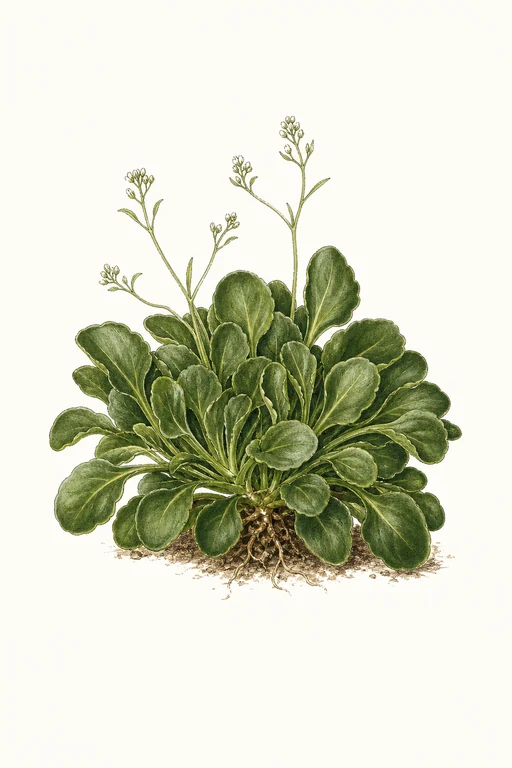
Tender, spoonable leaves unfurl into a soft, buttery rosette with a delicate, nutty sweetness and a whisper of mild green bite.
Mache forms a tidy, low-growing mat in about 45 days, producing an especially fine texture that stays pleasantly crisp in the garden. Ideal for fresh salads and delicate blends, it also shines when gently warmed for quick, flavor-forward specialty greens.
Light: Part SunMaturity: 45 DaysHabit: Rosette
Planting schedules and alerts are optimized for Columbus (Zone 6b).
Crop Dates
| Milestone | Date |
|---|---|
| Start Indoors | Direct Sow |
| Last Frost | Apr 25th |
| Transplant / Sow Outdoors | Apr 25th |
| Harvest Begins | Jun 9th |
| Harvest Ends | Oct 16th |
Crop Details
| Trait | Value |
|---|---|
| Days to Maturity | 45 |
| Sun Requirements | Part Sun |
| Growth Habit | Rosette |
| Support Needed | None |
| Planting Depth | Surface |
| Germination Temp (°F) | 45 |
| Min Soil Temp (°F) | 40 |
| Min Night Temp (°F) | 30 |
| Harden Off (days) | Not Required |
Culinary Notes

Chef's Note
Mache’s magic is its spoonable, tender crunch—nutty-sweet with only a whisper of bite, so it wants dressings that taste bright and fats that coat rather than drown. Treat it gently: warm it fast or keep it raw, so those delicate leaves stay crisp under your fork.

Best Uses
- shallow-bowl salads where it can be scooped—dressing should cling without wilting it
- quick warm “specialty greens” sauté: just a gentle toss to keep leaves spoon-tender
- mixed spring mixes with assertive vinaigrettes—mache acts like a soft base
- finishing green for soups/ramen: add at the end for a brief heat-softening

Flavor Profile

Kitchen Pairings
Frequently Asked Questions
What pest or disease most often affects Valerianella locusta (mache), and how can I manage it at home?
How frequently should I water mache during the main growing phase?
How do I tell when Valerianella locusta is ready to harvest?
Sowing Tips

Transplant Conditions
Wait until soil reaches 40°F and nights stay above 30°F before moving outdoors.
Expert Note

For sweetest, most tender leaves, grow mache in cool weather and keep soil consistently moist; it can even overwinter where winters are mild.