
Mancan
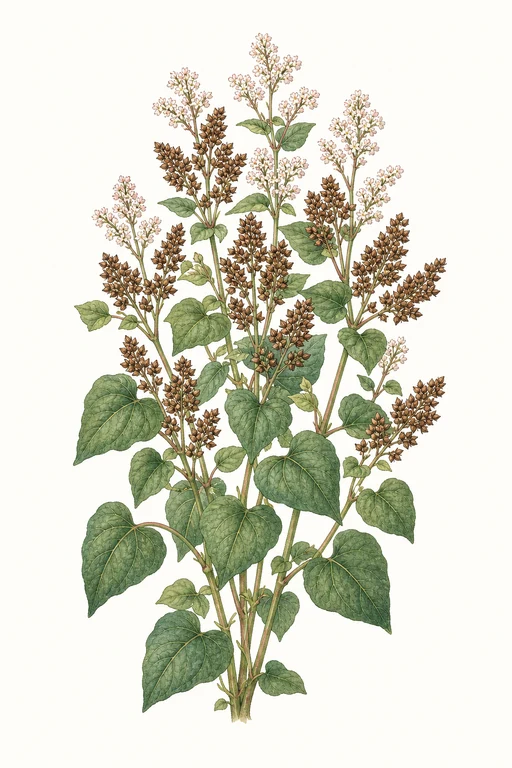
Fragrant, honeyed blossoms rise above a sea of fine, heart-shaped foliage, then give way to sturdy, nutty grains with a clean, earthy depth.
Mancan common buckwheat forms a dense stand that’s as satisfying to grow as it is to harvest, with a pleasantly firm, aromatic texture that shines when you want a naturally robust grain character. Ideal for grain preparations and hearty staples, Mancan rewards gardeners with dependable maturity in about 75 days and a rich, rustic flavor profile from start to finish.
Light: Full SunMaturity: 75 DaysHabit: Upright
Planting schedules and alerts are optimized for Columbus (Zone 6b).
Crop Dates
| Milestone | Date |
|---|---|
| Start Indoors | Direct Sow |
| Last Frost | Apr 25th |
| Transplant / Sow Outdoors | Apr 25th |
| Harvest Begins | Jul 9th |
| Harvest Ends | Oct 16th |
Crop Details
| Trait | Value |
|---|---|
| Days to Maturity | 75 |
| Sun Requirements | Full Sun |
| Growth Habit | Upright |
| Support Needed | None |
| Planting Depth | Surface |
| Germination Temp (°F) | 55 |
| Min Soil Temp (°F) | 50 |
| Min Night Temp (°F) | 35 |
| Harden Off (days) | Not Required |
Culinary Notes

Chef's Note
Mancan buckwheat comes across with a nutty, earthy backbone and a firmer chew than many grains, so it holds up beautifully when you toast it first and build a hot bowl around it. I’d pair that aromatic grind with brown butter and savory mushrooms to amplify the woodsy notes without muddying the clean, slightly honeyed finish.

Best Uses
- toasted buckwheat groats or kasha-style preparation
- hot grain bowls where it needs to stay springy
- pilafs or hearty salads served warm or room temp
- ground buckwheat flour for pancakes/crepes and rustic noodles

Flavor Profile

Kitchen Pairings
Frequently Asked Questions
What pest or disease commonly affects buckwheat (Fagopyrum esculentum), and how do I manage it?
How often should I water buckwheat during its main growing phase (seedling to flowering)?
How can I tell when buckwheat (Fagopyrum esculentum) is ready to harvest?
Sowing Tips

Transplant Conditions
Wait until soil reaches 50°F and nights stay above 35°F before moving outdoors.
Expert Note

Direct sow buckwheat once soil warms and keep it evenly moist until seedlings establish, then it’s typically low-fuss and fast-maturing.