
Manisoba
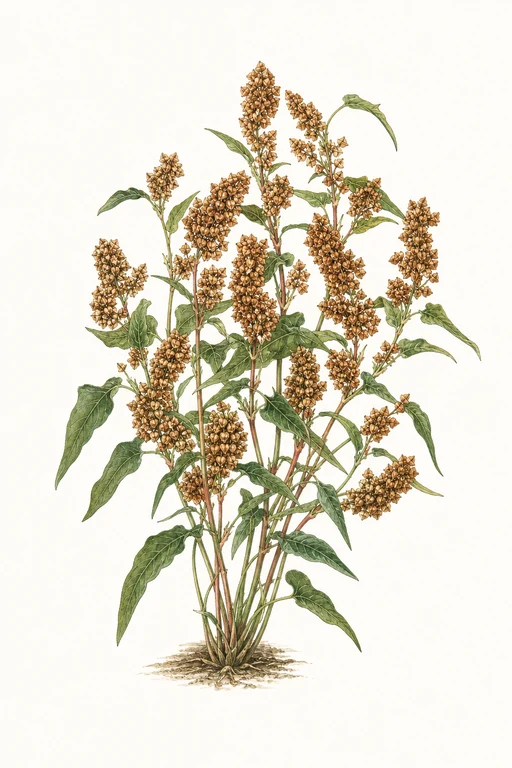
Manisoba brings a sweet, nutty fragrance to the garden from the moment the plants begin to flower, with a gentle, honeyed flavor that reads warm and toasted.
At maturity, the grain develops with a clean, firm bite and a satisfying, slightly earthy richness—ideal for hearty pantry staples and for making smooth, velvety blends. Grow Manisoba for a compact, dependable stand and a harvest that feels both rustic and refined, season after season.
Light: Full SunMaturity: 60 DaysHabit: Upright
Planting schedules and alerts are optimized for Columbus (Zone 6b).
Crop Dates
| Milestone | Date |
|---|---|
| Start Indoors | Direct Sow |
| Last Frost | Apr 25th |
| Transplant / Sow Outdoors | Apr 25th |
| Harvest Begins | Jun 24th |
| Harvest Ends | Oct 16th |
Crop Details
| Trait | Value |
|---|---|
| Days to Maturity | 60 |
| Sun Requirements | Full Sun |
| Growth Habit | Upright |
| Support Needed | None |
| Planting Depth | Normal |
| Germination Temp (°F) | 70 |
| Min Soil Temp (°F) | 55 |
| Min Night Temp (°F) | 40 |
| Harden Off (days) | Not Required |
Culinary Notes

Chef's Note
Manisoba buckwheat leans sweet and fragrant with a grain that stays pleasantly firm, so it eats more like a nutty, toasted base than a mush. If you toast the flour and use it for batter or porridge, it turns silky without losing that earthy, whole-grain character.

Best Uses
- groats cooked to a toothsome, dry-ish finish for grain bowls
- toasted buckwheat flour for pancakes, blini, and nutty batters
- smooth porridges and velvety hot cereals when cooked with extra liquid
- hearty, pantry-stable blends with other grains for a firm, satisfying texture

Flavor Profile

Kitchen Pairings
Frequently Asked Questions
What pests or diseases commonly affect Fagopyrum esculentum (manisoba), and how can I manage them at home?
How often should I water manisoba during the main growing phase?
How do I tell when manisoba is ready to harvest (Fagopyrum esculentum)?
Sowing Tips

Transplant Conditions
Wait until soil reaches 55°F and nights stay above 40°F before moving outdoors.
Expert Note

Manisoba is grown like a taproot crop—sow directly for best root formation and avoid transplanting stress that can damage the root.